Selasa, 30 September 2025

122+ Woodworking Plans For Shoe Rack

Woodworking wallpapers wallpaperaccess.com

Introduction: A DIY Shoe Rack Project A cluttered entryway can be a major source of stress. Building your own shoe rack is a fantastic way to organize your shoes, maximize space, and add a touch of personalized style to your home. This guide will walk you through the process of creating a simple, functional shoe rack.
Materials and Tools: Gathering Your Supplies Before you begin, gather all the necessary materials and tools. This will ensure a smooth and efficient building process.
  • Wood boards (pine, plywood, or your preferred wood type measure your space and calculate the dimensions you want; suggested thickness: ¾ inch)
  • Wood screws (appropriate length for your wood thickness)
  • Wood glue
  • Sandpaper (various grits)
  • Wood stain or paint (optional)
  • Polyurethane or varnish (optional, for sealing)
  • Measuring tape
  • Pencil
  • Saw (circular saw, hand saw, or miter saw)
  • Drill with drill bits (for pilot holes and screw driving)
  • Screwdriver or drill with screwdriver bit
  • Clamps (optional, but helpful)
  • Step 1: Planning and Cutting the Wood The first step is to plan the dimensions of your shoe rack and cut the wood accordingly. Determine the height, width, and depth you want your shoe rack to be. Consider the number of shelves you want and the height between each shelf to accommodate different types of shoes.
  • Measure and mark the wood according to your plan.
  • Use the saw to cut the wood pieces.
  • Ensure the cuts are straight and accurate for a professional finish. You'll typically need side pieces, shelf pieces, and potentially a top piece.
  • Step 2: Sanding the Wood After cutting the wood, sand all the surfaces to create a smooth finish and remove any splinters. This will improve the overall look and feel of the shoe rack and make it more comfortable to handle.
  • Start with a coarser grit sandpaper (e.g., 80 grit) to remove any imperfections.
  • Progress to finer grits (e.g., 120 grit, 220 grit) for a smooth finish.
  • Sand along the grain of the wood.
  • Step 3: Assembling the Shoe Rack Frame Now it's time to assemble the frame of the shoe rack. This involves attaching the side pieces to the shelves.
  • Apply wood glue to the edges of the shelf pieces where they will connect to the side pieces.
  • Position the shelves between the side pieces, ensuring they are evenly spaced.
  • Use clamps to hold the pieces together while the glue dries.
  • Pre-drill pilot holes through the side pieces into the shelves to prevent the wood from splitting when screwing.
  • Drive wood screws through the pilot holes to securely attach the shelves to the side pieces.
  • Step 4: Adding a Top Piece (Optional) If you want to add a top piece to your shoe rack, repeat the gluing and screwing process to attach it to the top of the side pieces. A top piece can provide a more finished look and create a surface for placing other items.
  • Apply glue to the top edges of the side pieces.
  • Position the top piece on the side pieces.
  • Clamp the pieces together while the glue dries.
  • Pre-drill pilot holes and drive wood screws to secure the top piece.
  • Step 5: Finishing and Sealing (Optional) Once the shoe rack is assembled, you can finish it with stain, paint, or a sealant. This will protect the wood and enhance its appearance.
  • If staining or painting, apply the finish according to the manufacturer's instructions. Allow it to dry completely.
  • Apply multiple coats for better coverage and durability.
  • If sealing, apply a coat of polyurethane or varnish to protect the wood from moisture and wear.
  • Allow the sealant to dry completely before using the shoe rack.
  • Conclusion: Enjoy Your Organized Entryway Congratulations! You've successfully built your own DIY shoe rack. Place it in your entryway or closet and enjoy the organized space. This project is a great way to improve your home organization skills and add a personalized touch to your decor. Remember to customize your shoe rack to fit your specific needs and style preferences.

    Woodworking Wallpapers

    Woodworking wallpapers wallpaperaccess.com

    Woodworking With Pine Made Easy With These Tips

    Woodworking with pine made easy with these tips shedsblueprints.com

    Woodworking For Beginners: Everything First-timers Need To Know

    Woodworking for beginners: everything first-timers need to know www.familyhandyman.com
    Read More..

    Minggu, 28 September 2025

    173+ Workbench With Built-In Adjustable Height

    Vevor adjustable workbench, 72" x 25" multi-purpose work bench with 28.5" www.walmart.com

    Introduction: The Ultimate Adjustable Workbench Tired of hunching over your workbench or stretching to reach your workpieces? This DIY workbench with a built-in adjustable height system is the solution! This project provides a sturdy, versatile workspace that can be customized to your ideal ergonomic height.
    Materials and Tools Before you begin, gather the necessary materials and tools:
    • Lumber (pine, fir, or plywood): Determine the dimensions of your workbench based on your available space and desired size. Common dimensions are 72" long, 36" wide, and 36" high (adjustable). Adjust lumber quantities accordingly.
    • Adjustable height legs: Purchase adjustable height legs from a hardware store or online retailer. These typically come in sets of four. Ensure they can support the weight of your workbench and projects.
    • Screws (wood screws, lag screws): Use appropriate screw lengths for joining the lumber.
    • Wood glue
    • Sandpaper (various grits)
    • Wood finish (optional: paint, stain, polyurethane)
    • Measuring tape
    • Pencil
    • Saw (circular saw, table saw, or hand saw)
    • Drill with drill bits and screw driving bits
    • Clamps
    • Level
    • Safety glasses
    • Ear protection
    Step 1: Building the Workbench Frame First, construct the workbench frame. This will provide the structural support for the entire workbench.
    1. Cut the lumber for the frame. You'll need pieces for the top frame, bottom frame (optional), and vertical supports. Precise dimensions depend on your desired workbench size.
    2. Assemble the top frame using screws and wood glue. Ensure the corners are square. Use clamps to hold the pieces together while the glue dries.
    3. If building a bottom frame for extra stability and storage, repeat the process from step 2 to assemble the bottom frame.
    4. Attach the vertical support pieces to the inside corners of the top frame using screws and wood glue. If you have a bottom frame, attach the bottom of the support pieces to the inside corners of the bottom frame. Again, use clamps to ensure a strong and secure bond.
    Step 2: Creating the Workbench Top Next, build the workbench top. This is the work surface where you'll be performing your projects.
    1. Cut the lumber for the workbench top. You can use a single large piece of plywood or several pieces of lumber joined together.
    2. If using multiple pieces of lumber, join them together using wood glue and clamps. Allow the glue to dry completely.
    3. Once the top is assembled, sand it smooth using sandpaper. Start with a coarse grit and gradually move to finer grits.
    4. Attach the workbench top to the frame using screws from the underside of the frame. Ensure the top is centered and securely fastened.
    Step 3: Installing the Adjustable Height Legs Now it's time to install the adjustable height legs.
    1. Position the adjustable height legs at the four corners of the workbench frame.
    2. Attach the legs to the frame according to the manufacturer's instructions. This typically involves using screws or bolts.
    3. Ensure the legs are securely attached and can be adjusted smoothly.
    Step 4: Finishing Touches Add the finishing touches to your workbench to protect the wood and enhance its appearance.
    1. Sand any rough edges or surfaces on the frame.
    2. Apply a wood finish of your choice. This could be paint, stain, or polyurethane. Follow the manufacturer's instructions for application.
    3. Allow the finish to dry completely before using the workbench.
    Conclusion: Your Customizable Workspace Congratulations! You've successfully built a DIY workbench with a built-in adjustable height system. You can now adjust the height of your workbench to suit your specific needs and projects, promoting better ergonomics and comfort while you work. This sturdy and versatile workbench will be a valuable addition to your workshop.

    Husky 6 Ft. Solid Wood Top Workbench-g7200s-us

    Husky 6 ft. solid wood top workbench-g7200s-us www.homedepot.com

    Industrial Workbenches

    Industrial workbenches www.benchmaster.uk

    Vevor Adjustable Workbench, 72" X 25" Multi-purpose Work Bench With 28.5"

    Vevor adjustable workbench, 72" x 25" multi-purpose work bench with 28.5" www.walmart.com
    Read More..

    Sabtu, 27 September 2025

    83+ Workbench With Built-In Tool Storage

    Craftsman stationary work bench: 29-1/2" wide, 18" deep, 40-1/4" high, black red 23167927 msc atelier-yuwa.ciao.jp

    Opening: Build Your Dream Workbench with Integrated Tool Storage Ready to ditch the clutter and embrace a more organized workspace? This guide will walk you through building a robust and functional workbench, complete with built-in tool storage. This project requires intermediate woodworking skills and access to tools like a table saw, miter saw, drill, and pocket hole jig. Let's get started!
    Step 1: Gather Your Materials and Tools Before you begin, make sure you have all the necessary supplies on hand. This will save you time and frustration down the road.
    • Lumber: Typically, construction-grade lumber like 2x4s, 4x4s, and plywood (¾ inch and ½ inch) are used. The exact amount will depend on your desired workbench dimensions. A typical workbench might be around 8 feet long, 3 feet wide, and 3 feet high. Adjust lumber quantities according to your preferred size.
    • Screws: Deck screws of various lengths (1 ¼ inch, 2 ½ inch, 3 inch) for framing and joining pieces. Pocket hole screws for pocket hole joinery.
    • Wood Glue: For stronger joints.
    • Sandpaper: Various grits for smoothing surfaces.
    • Finish: Polyurethane or paint to protect the workbench.
    • Hardware: Drawer slides, hinges for doors (if applicable), drawer pulls/knobs.
    • Tools: Table saw, miter saw, drill/driver, pocket hole jig, measuring tape, square, level, clamps, safety glasses, ear protection.
    Step 2: Cut the Lumber Refer to your plans for the exact dimensions of each piece. Accuracy is key to a square and sturdy workbench.
    • Cut the Legs: Cut the 4x4 lumber to the desired height of your workbench (e.g., 36 inches).
    • Cut the Frame Pieces: Cut the 2x4 lumber to create the top and bottom frames. Remember to account for the thickness of the legs when calculating the length of the frame pieces.
    • Cut the Plywood for the Top: Cut the ¾ inch plywood to the desired dimensions of your workbench top.
    • Cut Plywood for Shelves, Drawers, and Doors: Cut the ½ inch and ¾ inch plywood according to your storage design. Dimensions will vary based on how many drawers, shelves, or cabinets you want.
    Step 3: Assemble the Frame The frame provides the foundation for your workbench. Make sure it is square and level.
    • Attach the Legs to the Frame: Using screws and wood glue, attach the legs to the frame pieces. Use a square to ensure the legs are at a 90-degree angle.
    • Add Cross Supports: Add 2x4 cross supports between the legs for added stability. These can be evenly spaced along the length of the workbench.
    • Assemble the Bottom Shelf Frame (Optional): If you want a bottom shelf, build a separate frame similar to the top frame, and attach it to the legs at a desired height.
    Step 4: Attach the Workbench Top The workbench top provides a sturdy work surface.
    • Attach the Plywood Top: Using screws and wood glue, attach the plywood top to the frame. Ensure the top is flush with the frame.
    • Consider a Second Layer (Optional): For extra durability, you can add a second layer of plywood on top of the first, gluing and screwing it in place.
    Step 5: Build and Install Tool Storage (Drawers, Shelves, Cabinets) This is where you customize your workbench to fit your specific needs.
    • Design Your Storage: Plan the layout of your drawers, shelves, and cabinets. Consider the size and type of tools you'll be storing.
    • Build Drawers: Assemble the drawer boxes using plywood and pocket hole joinery or screws. Attach drawer slides to the drawer boxes and the workbench frame.
    • Build Shelves: Cut plywood to the desired size and attach them to the frame using screws and wood glue.
    • Build Cabinets (Optional): Build cabinet boxes using plywood and pocket hole joinery or screws. Install doors using hinges.
    Step 6: Sand and Finish A smooth finish will make your workbench more enjoyable to use and protect it from wear and tear.
    • Sand all Surfaces: Sand all surfaces of the workbench, starting with a coarse grit sandpaper and working your way up to a finer grit.
    • Apply Finish: Apply a finish such as polyurethane or paint to protect the wood. Follow the manufacturer's instructions.
    Step 7: Add Hardware and Accessories Complete your workbench by adding hardware and accessories.
    • Install Drawer Pulls/Knobs: Attach drawer pulls or knobs to the drawers.
    • Add a Vise (Optional): Install a woodworking vise to the workbench top.
    • Add Pegboard (Optional): Install pegboard to the back of the workbench for additional tool storage.
    Conclusion: Enjoy Your New Organized Workspace Congratulations! You've built a custom workbench with integrated tool storage. Enjoy your new, organized workspace. Remember to regularly maintain your workbench to keep it in top condition. Happy building!

    Tennsco Adjustable Workbench — Wood Top, 60in.w X 30in.d, Medium Gray, Model# Wba-1-3060w

    Tennsco adjustable workbench — wood top, 60in.w x 30in.d, medium gray, model# wba-1-3060w www.northerntool.com

    Craftsman Stationary Work Bench: 29-1/2" Wide, 18" Deep, 40-1/4" High, Black Red 23167927 Msc

    Craftsman stationary work bench: 29-1/2" wide, 18" deep, 40-1/4" high, black red 23167927 msc atelier-yuwa.ciao.jp

    Workpro 2-in-1 48-inch Workbench And Cabinet Combo With Light, Steel, Wood

    Workpro 2-in-1 48-inch workbench and cabinet combo with light, steel, wood www.pinterest.com
    Read More..

    Kamis, 25 September 2025

    161+ Woodworking Plans For Bookcase

    Woodworking wallpapers wallpaperaccess.com

    Here's a step-by-step guide on how to build a simple bookcase:
    Opening: Planning and Preparation Before diving into the construction process, careful planning is essential. This ensures a smooth build and a bookcase that meets your specific needs. Consider the desired dimensions, style, and the type of wood you want to use. Gather all necessary tools and materials before starting.
    Step 1: Gathering Materials and Tools You'll need lumber for the sides, shelves, top, and possibly a back panel. Plywood or solid wood are common choices. Your lumber list should include dimensions for:
  • Sides: Two pieces of wood for the sides, the height of your bookcase.
  • Shelves: The number of shelves you want, with dimensions to fit within the sides.
  • Top: One piece of wood, wider than the shelves to overhang.
  • Back: Optional, plywood or similar. Tools required include:
  • Measuring tape
  • Pencil
  • Saw (circular saw, table saw, or hand saw)
  • Drill with drill bits
  • Screwdriver or drill with screwdriver bits
  • Wood glue
  • Clamps
  • Sandpaper
  • Safety glasses
  • Hearing protection
  • Optional: Pocket hole jig
  • Optional: Router for edge detailing.
  • Step 2: Cutting the Wood Accurately cut all the pieces of wood according to your planned dimensions. Double-check measurements before cutting to avoid errors. Label each piece as you cut them to avoid confusion later. Ensure clean and straight cuts for a professional finish.
    Step 3: Assembling the Sides and Shelves There are several ways to attach the shelves to the sides.
  • Using Screws: Apply wood glue to the edges of the shelves where they will meet the sides. Clamp the shelf in place and pre-drill pilot holes before screwing the shelves to the sides. This prevents splitting the wood. Ensure the shelves are level and square.
  • Using Pocket Holes: If you have a pocket hole jig, drill pocket holes on the underside of each shelf. Apply wood glue to the edges of the shelves and clamp them in place. Drive screws through the pocket holes to secure the shelves to the sides. Pocket holes provide a strong and hidden connection.
  • Using Dado Joints: For a more advanced build, cut dadoes (grooves) into the sides to house the shelves. This provides a very strong and stable joint. Apply glue and slide the shelves into the dadoes, clamping until dry.
  • Step 4: Attaching the Top Once the shelves are secured, attach the top piece. Apply wood glue to the top edges of the sides and the top shelf. Position the top piece and clamp it securely. Screw the top piece from underneath using pilot holes to prevent splitting. The top should overhang the sides slightly for a more finished look.
    Step 5: Adding the Back Panel (Optional) If you choose to add a back panel, measure the back of the bookcase and cut the back panel to size. Attach the back panel using glue and nails or screws. The back panel adds stability to the bookcase and prevents it from racking.
    Step 6: Sanding and Finishing After the glue has dried, sand all surfaces of the bookcase to smooth out any rough edges and imperfections. Start with a coarse grit sandpaper and gradually work your way up to a finer grit. Once sanding is complete, apply your chosen finish. This could be paint, stain, varnish, or polyurethane. Apply multiple coats of finish, allowing each coat to dry completely before applying the next. Sand lightly between coats for a smoother finish.
    Conclusion: Final Touches and Enjoy! Once the finish is dry, inspect the bookcase for any imperfections and touch up as needed. Your DIY bookcase is now complete! Place it in your desired location and fill it with your favorite books. You've successfully built a functional and stylish piece of furniture. Remember to always prioritize safety and take your time to ensure a quality result.

    24 Must-have Woodworking Tools For Your Workshop

    24 must-have woodworking tools for your workshop www.grainger.com

    Woodworking

    Woodworking 4hab.com

    Woodworking Wallpapers

    Woodworking wallpapers wallpaperaccess.com
    Read More..

    Rabu, 24 September 2025

    165+ Woodworking Garden

    31 garden woodworking projects for beginners www.charlestoncrafted.com

    ```html
    Opening: Get Ready to Grow with a DIY Raised Garden Bed! Creating a raised garden bed is a fantastic way to enhance your gardening experience. It offers improved drainage, better soil control, and can even make gardening easier on your back! This step-by-step guide will walk you through building a sturdy and beautiful raised garden bed, perfect for growing vegetables, herbs, or flowers.
    Step 1: Planning and Preparation Before you start building, it's crucial to plan your garden bed. Consider the following:
  • Size and Shape: Decide on the dimensions of your bed. A common size is 4ft x 8ft, but adjust to fit your available space and needs. The depth should be at least 12 inches.
  • Location: Choose a sunny spot that receives at least 6 hours of direct sunlight per day. Ensure the location is relatively level.
  • Materials: Gather your supplies. You'll need lumber (untreated cedar or redwood are excellent choices for durability and safety), screws or nails, landscape fabric, and tools like a saw, drill, measuring tape, and level.
  • Step 2: Cutting the Lumber Based on your chosen dimensions, cut the lumber to the required lengths. For a 4ft x 8ft bed, you'll need:
  • Two pieces at 4ft (for the short sides)
  • Two pieces at 8ft (for the long sides)
  • Corner posts (four pieces, at least 12 inches long, or longer if you want the bed deeper)
  • Use a saw to make clean and accurate cuts. Safety glasses are recommended!
    Step 3: Assembling the Frame Now, assemble the frame of the raised garden bed.
  • Attach the 4ft side pieces to the 8ft side pieces, forming a rectangular box. Use screws or nails to securely fasten the corners.
  • Attach the corner posts to the inside corners of the frame. This will provide extra support and stability. Make sure they are flush with the top edge of the frame.
  • Use a level to ensure the frame is square and even.
    Step 4: Adding Landscape Fabric (Optional) While not strictly necessary, lining the inside of the garden bed with landscape fabric offers several benefits:
  • It helps to prevent soil erosion.
  • It deters weeds from growing up into the bed.
  • It helps to retain moisture in the soil.
  • Simply cut the landscape fabric to fit the inside of the bed, overlapping the edges slightly. Secure it in place with staples or tacks.
    Step 5: Placing and Leveling the Bed Carefully move the assembled garden bed to your chosen location.
  • Use a shovel to level the ground underneath the bed, ensuring it sits evenly.
  • Use a level to check that the top of the bed is also level. Adjust the ground underneath as needed.
  • Step 6: Filling the Bed with Soil The final step is to fill the raised garden bed with high-quality soil.
  • Use a mixture of topsoil, compost, and other organic matter to create a nutrient-rich growing medium.
  • Fill the bed to within a few inches of the top.
  • Water the soil thoroughly to help it settle.
  • Conclusion: Enjoy Your New Raised Garden Bed! Congratulations! You've successfully built your own raised garden bed. Now you're ready to start planting and enjoying the fruits (or vegetables!) of your labor. With proper care and maintenance, your raised garden bed will provide you with years of gardening enjoyment. Happy gardening!
    ```

    Garden Woodworking Plans • Just Wood It!

    Garden woodworking plans • just wood it! justwood.it

    31 Garden Woodworking Projects For Beginners

    31 garden woodworking projects for beginners www.charlestoncrafted.com

    31 Garden Woodworking Projects For Beginners

    31 garden woodworking projects for beginners www.charlestoncrafted.com
    Read More..

    Selasa, 23 September 2025

    66+ Storage Crate

    Storage crate-medium tall www.pinterest.com

    Introduction: The Ubiquitous Storage Crate Let's face it, we all need more storage. And while fancy shelving units and expensive bins have their place, sometimes a simple, sturdy crate is the perfect solution. This guide will walk you through building a DIY storage crate that's both functional and budget-friendly. These crates are great for organizing garages, closets, pantries, or even just keeping things tidy in your living room. With a few basic tools and readily available materials, you can create a storage solution tailored to your specific needs.
    Materials List
  • 4 pieces of wood for the sides (e.g., 1x6 lumber, cut to your desired height and length. For example, four pieces cut to 12 inches high and 24 inches long).
  • 2 pieces of wood for the bottom support (e.g., 1x2 lumber, cut to the inside width of your crate. Using the previous dimensions, this would be 22.5 inches)
  • Bottom material (e.g., plywood, OSB, or additional 1x6 lumber, cut to fit the bottom of your crate). For this example, the bottom would be 24 x 12.5 inches
  • Wood screws (e.g., 1 1/4" or 1 5/8")
  • Wood glue
  • Sandpaper (medium grit)
  • Optional: Stain, paint, or sealant
  • Tools Required
  • Measuring tape
  • Pencil
  • Saw (circular saw, hand saw, or miter saw)
  • Drill or screwdriver
  • Clamps (optional, but helpful)
  • Sanding block (or orbital sander)
  • Safety glasses
  • Step 1: Cut the Wood Carefully measure and cut all of your wood pieces according to the dimensions you've chosen. Accurate cuts are essential for a sturdy and square crate. Double-check your measurements before cutting! If you're using a power saw, always wear safety glasses.
    Step 2: Assemble the Sides Apply wood glue to the edges of the bottom supports. Position the supports along the inside of two of the side pieces, flush with the bottom edge. Secure them with wood screws. Pre-drilling pilot holes is recommended to prevent the wood from splitting.
    Step 3: Attach the Remaining Sides Apply wood glue to the edges of the remaining two side pieces. Attach these to the bottom supports in the same way as before, creating a rectangular frame. Use clamps to hold the pieces together while the glue dries and while you are screwing the pieces in, ensuring a tight bond.
    Step 4: Install the Bottom Apply wood glue to the bottom edges of the assembled frame where the bottom panel will sit. Place the bottom panel inside the frame. Secure the bottom with wood screws, spacing them evenly around the perimeter. Again, pre-drilling pilot holes is recommended.
    Step 5: Sanding Once the glue has dried completely, sand all surfaces and edges of the crate to remove any splinters and create a smooth finish. Start with a medium grit sandpaper and move to a finer grit if desired. Pay particular attention to the corners and edges.
    Step 6: Finishing (Optional) If you want to add a decorative touch or protect the wood, you can stain, paint, or seal the crate. Follow the manufacturer's instructions for your chosen finish. Allow the finish to dry completely before using the crate.
    Conclusion: Your Custom Storage Solution Congratulations, you've built your own storage crate! Now you can enjoy the satisfaction of organized spaces and the pride of a DIY project. These crates can be customized to fit any space and need, and stacking them creates an efficient and visually appealing storage system. Enjoy your new storage solution!

    Add Style And Functionality With Wooden Crate Storage

    Add style and functionality with wooden crate storage storagearts.com

    Add Style And Functionality With Wooden Crate Storage

    Add style and functionality with wooden crate storage storagearts.com

    Storage Crate-medium Tall

    Storage crate-medium tall www.pinterest.com
    Read More..

    Senin, 22 September 2025

    165+ Decorative Wooden Crates

    Vintage decorative wooden crates stock photo www.alamy.com

    ```html
    Opening: Unleash Your Inner Carpenter with DIY Wooden Crates! Tired of boring storage solutions? Want to add a rustic touch to your home decor? Building your own decorative wooden crates is a surprisingly simple and rewarding DIY project. This guide provides a step-by-step walkthrough to help you create beautiful and functional crates that you can customize to fit your unique style and needs. Let's get started!
    Step 1: Gather Your Materials and Tools Before you begin, gather the necessary materials and tools. This will ensure a smooth and efficient building process. Here's what you'll need:
  • Wood: Pine, fir, or cedar are good choices. Decide on the desired dimensions of your crate and purchase lumber accordingly. Consider 1x4s or 1x6s for the sides and bottom.
  • Fasteners: Wood screws (1 1/4 inch or 1 5/8 inch) are recommended for a strong and durable hold. You can also use nails, but screws provide better stability.
  • Wood Glue: Adds extra strength to the joints.
  • Sandpaper: Different grits (80, 120, 220) for smoothing the wood.
  • Wood Stain or Paint (Optional): To customize the look of your crates.
  • Tools:
  • Measuring Tape
  • Pencil
  • Saw (Hand saw, circular saw, or miter saw)
  • Drill with Drill Bits
  • Screwdriver (or drill with screwdriver bit)
  • Clamps (Helpful for holding pieces together while glue dries)
  • Safety Glasses
  • Step 2: Cut the Wood to Size Using your measurements, cut the wood pieces to the required lengths. For a rectangular crate, you'll need:
  • Sides: 2 pieces of the same length (e.g., 12 inches)
  • Ends: 2 pieces of the same length (the width of the crate, e.g., 8 inches)
  • Bottom: Several pieces, depending on the desired width of the crate and the width of your lumber (e.g., 3 pieces of 1x4s cut to 12 inches)
  • Make sure to cut accurately to ensure your crate is square.
    Step 3: Sand the Wood Use sandpaper to smooth all the edges and surfaces of the wood pieces. Start with a coarser grit (80 or 120) to remove any imperfections and then move to a finer grit (220) for a smooth finish. This step is crucial for a professional-looking result and prevents splinters.
    Step 4: Assemble the Crate Frame Apply wood glue to the edges of the end pieces where they will meet the side pieces. Clamp the pieces together and pre-drill pilot holes to prevent the wood from splitting. Secure the pieces with screws. Repeat this process for all four corners of the crate frame. Ensure the frame is square before the glue dries. You can use a speed square for this.
    Step 5: Attach the Bottom Pieces Apply wood glue to the edges of the bottom frame where the bottom slats will be attached. Place the bottom pieces inside the frame, spacing them evenly. Pre-drill pilot holes and secure each slat with screws. If using wider boards for the bottom you may only need one or two. Make sure the bottom is securely attached to the frame.
    Step 6: Sand and Finish (Optional) Once the glue is dry, give the entire crate a final sanding to smooth any rough edges or imperfections. Now you can apply your desired finish. You can stain the wood to enhance its natural grain, paint it with your favorite color, or leave it unfinished for a rustic look. Apply the finish according to the manufacturer's instructions.
    Conclusion: Enjoy Your Handcrafted Wooden Crate! Congratulations! You've successfully built your own decorative wooden crate. Now you can use it for storage, display, or any other creative purpose. Experiment with different sizes, shapes, and finishes to create a collection of unique and personalized crates that add character and functionality to your home. Happy building!
    ```

    Decorative Wooden Crates

    Decorative wooden crates www.etsy.com

    Decorative Wooden Crates

    Decorative wooden crates www.etsy.com

    Vintage Decorative Wooden Crates Stock Photo

    Vintage decorative wooden crates stock photo www.alamy.com
    Read More..

    Minggu, 21 September 2025

    76+ Woodworking Plans For Chairs

    Woodworking furniture plans woodworkinghobbyathome.blogspot.com

    Opening: A World of Seating Possibilities Ready to enhance your living space or outdoor area with custom-built chairs? This step-by-step guide will walk you through the process of creating your own unique seating, tailored to your style and needs. Let's dive into the rewarding world of woodworking and craft some beautiful and functional chairs!
    Step 1: Planning and Design Before you even touch a piece of wood, careful planning is crucial.
  • Choose Your Chair Style: Decide on the type of chair you want to build. Options range from simple Adirondack chairs and classic dining chairs to modern lounge chairs and sturdy outdoor benches. Consider the intended use and overall aesthetic you're aiming for.
  • Select a Woodworking Plan: Find a detailed plan that matches your chosen chair style and skill level. Online resources, woodworking magazines, and books offer a wide array of plans. Look for plans that include precise measurements, clear diagrams, and a comprehensive material list. A good plan will save you time and frustration in the long run.
  • Review the Plan Thoroughly: Carefully examine the plan to understand each step of the construction process. Pay close attention to dimensions, joinery techniques, and any potential challenges. Identify any areas where you might need to adapt the plan to your specific needs or preferences.
  • Step 2: Gathering Materials and Tools With your plan in hand, it's time to assemble the necessary materials and tools.
  • Acquire the Lumber: Refer to the material list in your plan to determine the required amount and type of wood. Popular choices for chair construction include pine, cedar, oak, and redwood. Consider the durability, weather resistance, and aesthetic appeal of each wood type. Purchase high-quality lumber free from knots and defects.
  • Gather Fasteners: You'll need screws, nails, or bolts to secure the various chair components. Choose fasteners that are appropriate for the type of wood you're using and the joinery techniques specified in the plan. Consider using exterior-grade fasteners for outdoor chairs to prevent rust and corrosion.
  • Collect Tools: A well-equipped workshop is essential for successful chair construction. Basic tools include a saw (circular saw, jigsaw, or handsaw), a drill/driver, a sander, a measuring tape, a square, a pencil, and clamps. Depending on the complexity of the chair, you may also need a router, a jointer, a planer, and other specialized tools.
  • Safety First: Always wear appropriate safety gear, including safety glasses, ear protection, and a dust mask, when working with power tools. Familiarize yourself with the safe operation of each tool before using it.
  • Step 3: Cutting and Preparing the Wood This step involves transforming raw lumber into the individual components of your chair.
  • Cut to Size: Using your saw and measuring tape, carefully cut the lumber according to the dimensions specified in the plan. Double-check your measurements before making each cut to ensure accuracy. A miter saw can be very helpful for making precise angled cuts.
  • Sand the Pieces: Smooth the surfaces of each piece of wood with sandpaper. Start with a coarse grit to remove any imperfections and then move to a finer grit to achieve a smooth finish. Sanding before assembly makes finishing easier.
  • Shape the Pieces: Some chair designs may require shaping certain components, such as curved backrests or armrests. Use a jigsaw, router, or spokeshave to achieve the desired shape. Refer to the plan for specific instructions and templates.
  • Step 4: Assembling the Chair Now comes the exciting part – putting all the pieces together to form your chair.
  • Dry Fit: Before applying any glue or fasteners, dry fit the components to ensure they align properly. This allows you to identify any potential problems and make necessary adjustments before committing to the final assembly.
  • Apply Glue: Apply wood glue to the joints to create a strong and durable bond. Use a brush or applicator to spread the glue evenly across the surfaces to be joined.
  • Fasten the Pieces: Secure the components together using screws, nails, or bolts, as specified in the plan. Use clamps to hold the pieces in place while the glue dries and the fasteners are tightened. Ensure the chair is square and stable during assembly.
  • Check for Squareness: Use a square to ensure that the chair is square and that all angles are correct. This will prevent the chair from wobbling or being unstable.
  • Step 5: Finishing and Protection Once the chair is assembled, it's time to apply a finish to protect the wood and enhance its appearance.
  • Final Sanding: Perform a final sanding to smooth any imperfections and prepare the surface for finishing.
  • Apply Stain or Paint (Optional): If desired, apply a stain to enhance the wood's natural grain or paint the chair in a color of your choice. Follow the manufacturer's instructions for application and drying times.
  • Apply a Protective Finish: Apply a clear coat of varnish, lacquer, or polyurethane to protect the wood from moisture, scratches, and UV damage. Apply multiple coats for added protection. Follow the manufacturer's instructions for application and drying times. For outdoor chairs, use an exterior-grade finish.
  • Conclusion: Sit Back and Enjoy Your Creation Congratulations! You've successfully built your own chair. With careful planning, precise execution, and a little bit of elbow grease, you've created a functional and beautiful piece of furniture that you can be proud of. Now, sit back, relax, and enjoy the fruits of your labor. Remember to maintain your chair by cleaning it regularly and reapplying the finish as needed. Enjoy your custom-made seating!

    Woodworking Plan For Chair. Complete Woodworking Plans With Detail Descriptions Can Be Found On

    Woodworking plan for chair. complete woodworking plans with detail descriptions can be found on www.pinterest.com

    Woodworking Furniture Plans

    Woodworking furniture plans woodworkinghobbyathome.blogspot.com

    These Free Adirondack Chair Plans Will Help You Build A Great Looking Chair In Just A Few Hours

    These free adirondack chair plans will help you build a great looking chair in just a few hours www.pinterest.com
    Read More..

    Sabtu, 20 September 2025

    154+ Dresser

    Linsy home dresser for bedroom, long dresser with 9 drawers and antique handles, chest of www.walmart.com

    ```html
    **Introduction: Building a DIY 154+ Dresser** Building a dresser, especially one with a substantial number of drawers (154+), is a large undertaking best tackled with patience and a solid plan. This guide outlines the general steps involved. Be aware that this is a complex project requiring advanced woodworking skills and significant time commitment. Consider starting with a smaller dresser project to gain experience. This outline focuses on the structural components. The "154+" number of drawers is an exaggeration for complexity and to follow instructions you'll adapt this to a more realistic drawer count based on your design and skills.
    **Step 1: Planning and Design**
  • Conceptualize Your Dresser:
  • Start by sketching your desired dresser. Determine its overall dimensions (height, width, depth). Factor in available space and desired drawer sizes. Decide on the number of rows and columns of drawers, keeping in mind the structural integrity and stability of the final piece.
  • Material Selection:
  • Choose your lumber. Solid wood (pine, oak, maple) offers durability, but plywood can be used for larger panels to reduce cost and warping. For drawer boxes, consider using a less expensive wood like poplar.
  • Detailed Drawings:
  • Create detailed drawings of each component: the carcass (outer frame), drawer fronts, drawer boxes, dividers, and any decorative elements. Precise measurements are crucial. Use a CAD program or graph paper for accuracy. This will help calculate the exact amount of lumber needed.
  • Calculate Material Quantities:
  • Based on your drawings, calculate the board footage of lumber needed. Add extra for cuts and errors.
    **Step 2: Carcass Construction**
  • Cut the Carcass Pieces:
  • Accurately cut the top, bottom, and side panels of the carcass according to your plans. Use a table saw or circular saw for straight, clean cuts.
  • Assemble the Carcass:
  • Join the top, bottom, and side panels using wood glue and screws or pocket hole screws. Ensure the carcass is square and stable. Use clamps to hold the pieces together while the glue dries.
  • Install the Back Panel:
  • Attach a back panel made of plywood or solid wood. This adds rigidity and helps keep the dresser square. Use glue and nails or screws.
  • Add Internal Supports and Dividers:
  • Install vertical dividers to create separate sections for each column of drawers. Use glue and screws or dado joints for a strong connection. Add horizontal supports between dividers to prevent sagging and provide additional stability. The number of dividers will be dictated by your drawer configuration.
    **Step 3: Drawer Box Construction**
  • Cut the Drawer Box Pieces:
  • Cut the sides, front, and back pieces for each drawer box. Precision is key for smooth drawer operation.
  • Assemble the Drawer Boxes:
  • Join the drawer box pieces using your preferred method: dovetail joints, rabbet joints, or butt joints with screws and glue. Dovetail joints are strongest but require more skill.
  • Attach Drawer Bottoms:
  • Cut and attach the drawer bottoms (typically plywood or hardboard). Glue and nail or screw them into place.
  • Install Drawer Slides:
  • Install drawer slides on the sides of the drawer boxes and the corresponding locations inside the carcass. Choose appropriate slides based on weight capacity and desired extension (full extension or partial extension).
    **Step 4: Drawer Fronts and Finishing**
  • Cut Drawer Fronts:
  • Cut the drawer fronts to the desired size, ensuring they slightly overlap the drawer boxes for a clean look.
  • Attach Drawer Fronts:
  • Attach the drawer fronts to the drawer boxes. Use screws from the inside of the drawer box. Consider using temporary shims to ensure consistent spacing between drawer fronts.
  • Sand and Finish:
  • Sand all surfaces of the dresser, including the carcass, drawer fronts, and drawer boxes. Start with a coarse grit sandpaper and gradually move to finer grits. Apply your desired finish: stain, paint, varnish, or a combination. Apply multiple coats for durability.
  • Install Hardware:
  • Install drawer pulls or knobs on the drawer fronts.
    **Conclusion** Building a dresser of this magnitude is a significant woodworking achievement. The key to success lies in careful planning, precise measurements, and meticulous execution. Remember to adapt this guide to your specific design and skill level. Start with a smaller project if you're new to woodworking. The "154+" drawer count was for demonstration purposes; design a more manageable and structurally sound number of drawers. With patience and dedication, you can create a beautiful and functional piece of furniture.
    ```

    Linsy Home Dresser For Bedroom, Long Dresser With 9 Drawers And Antique Handles, Chest Of

    Linsy home dresser for bedroom, long dresser with 9 drawers and antique handles, chest of www.walmart.com

    Walker Edison Classic Mid-century Modern 6-drawer Solid Wood Dresser, Walnut

    Walker edison classic mid-century modern 6-drawer solid wood dresser, walnut www.pinterest.com

    Aamerica Westlake Transitional 10-drawer Dresser With Felt Lined Top Drawers

    Aamerica westlake transitional 10-drawer dresser with felt lined top drawers www.wayside-furniture.com
    Read More..

    Jumat, 19 September 2025

    116+ What Are Some Easy Woodworking Projects For Beginners

    A-an-some worksheet www.pinterest.fr

    ```html
    Introduction: Building a Simple Wooden Birdhouse This post provides a step-by-step guide for constructing a basic wooden birdhouse, perfect for beginners to woodworking. It's a fun, rewarding project that adds charm to your yard and provides a home for feathered friends. This guide covers materials, tools, and detailed instructions to ensure a successful build.
    Materials Needed:
    • Untreated lumber (Pine, Cedar, or Redwood are good choices): A single board, approximately 1" x 6" x 6' is usually sufficient.
    • Wood glue
    • Galvanized nails or screws (1 1/4" recommended)
    • Sandpaper (120 and 220 grit)
    • Exterior wood sealant or paint (optional, but recommended for longevity)
    Tools Required:
    • Measuring tape
    • Pencil
    • Saw (hand saw, circular saw, or jigsaw)
    • Drill (with drill bits for pilot holes and hole saw for entrance)
    • Hammer or screwdriver
    • Clamps (optional, but helpful)
    • Safety glasses
    • Work gloves
    Step 1: Cut the Wood Pieces Based on the following dimensions, cut your lumber into the necessary pieces. These dimensions are for a small birdhouse, but you can adjust them to your liking.
    • Front: 6" wide x 8" tall
    • Back: 6" wide x 10" tall (extend top for roof overhang)
    • Sides (2): 6" wide x 7" tall (angle one edge to match roof pitch)
    • Bottom: 6" wide x 6" deep
    • Roof (2): 6" wide x 8" long
    Use a saw to carefully cut each piece according to the measurements. Double-check your measurements before cutting!
    Step 2: Drill Entrance Hole and Ventilation/Drainage Holes On the front piece, use a hole saw bit (1 1/2" to 2" diameter is common) to drill an entrance hole centered approximately 2" to 3" from the top. Drill two or three small (1/4") drainage holes in the bottom piece. Drill two small (1/4") ventilation holes near the top of the side pieces.
    Step 3: Assemble the Birdhouse Body Apply wood glue to the edges of the bottom piece and attach the front, back, and side pieces, forming a box. Use nails or screws to secure the pieces together. Clamps can be used to hold the pieces in place while the glue dries.
    Step 4: Attach the Roof Apply wood glue to the top edges of the front, back, and side pieces. Attach the roof pieces, ensuring they overhang slightly on the front and sides. Use nails or screws to secure the roof in place.
    Step 5: Sand and Finish Sand all surfaces of the birdhouse with 120-grit sandpaper to remove any rough edges and splinters. Then, sand with 220-grit sandpaper for a smooth finish. Wipe away any sawdust with a clean cloth. Apply an exterior wood sealant or paint to protect the birdhouse from the elements. Allow the sealant or paint to dry completely before placing the birdhouse outside.
    Step 6: Mounting Your Birdhouse Consider how you'll mount the birdhouse. You can attach a mounting board to the back piece, or use a pre-made birdhouse pole. Place your birdhouse in a location that is sheltered from strong winds and direct sunlight.
    Conclusion: Enjoy Your New Birdhouse Congratulations! You've successfully built your own wooden birdhouse. Now, find a good spot for it in your yard and wait for your new feathered tenants to arrive. Building this birdhouse is a great way to learn basic woodworking skills and contribute to the local bird population. Enjoy watching the birds make their home in your creation!
    ```

    Phân Biệt Sometime, Sometimes Và Some Time

    Phân biệt sometime, sometimes và some time zim.vn

    A-an-some Worksheet

    A-an-some worksheet www.pinterest.fr

    I Need Some

    I need some ar.inspiredpencil.com
    Read More..

    Kamis, 18 September 2025

    132+ Hanging Key Rack

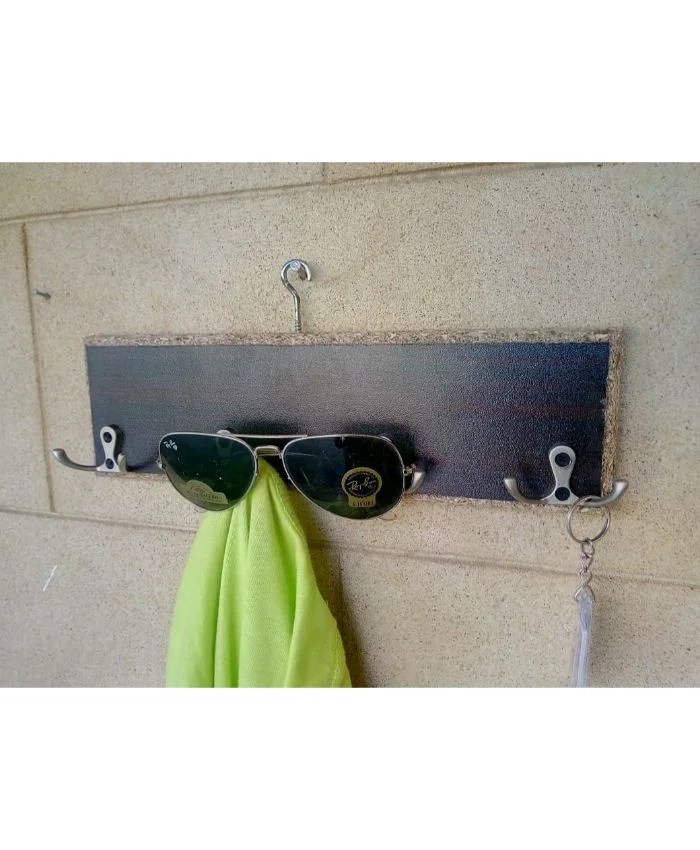
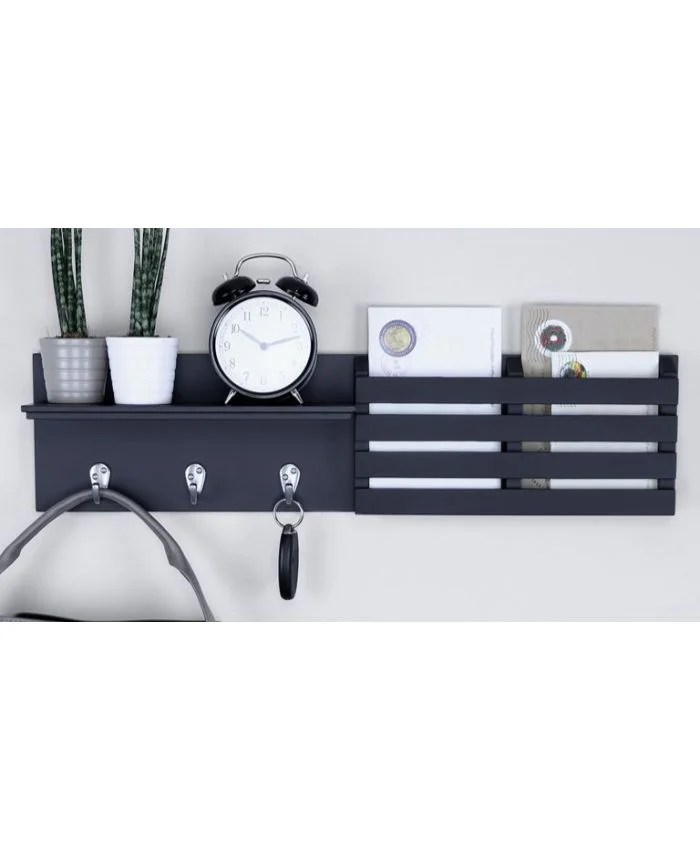
    Key & cloth hanging rack mart89.com

    Introduction: A Stylish Solution for Key Clutter
    Tired of losing your keys? This DIY hanging key rack offers a practical and stylish solution. It's a simple project perfect for beginners and can be customized to match your home decor. Let's get started!
    Materials You'll Need:
    • A piece of wood (approximately 6-12 inches long and 3-6 inches wide, depending on your preference). Reclaimed wood adds character!
    • Key hooks (quantity depends on the number of keys you want to hang)
    • Screws (appropriate size for the key hooks)
    • Wood stain or paint (optional)
    • Sandpaper (various grits)
    • Drill with appropriate drill bits
    • Measuring tape or ruler
    • Pencil
    • Picture hanging hardware (D-rings or sawtooth hanger)
    Step 1: Preparing the Wood
  • Begin by sanding the wood smooth. Start with a coarser grit sandpaper (e.g., 80 or 120) to remove any imperfections.
  • Then, move to a finer grit sandpaper (e.g., 220) for a smooth finish.
  • Wipe the wood clean with a damp cloth to remove any sanding dust. Let it dry completely.
  • Step 2: Staining or Painting (Optional)
  • If you want to stain or paint your key rack, now is the time. Apply the stain or paint according to the manufacturer's instructions.
  • Allow sufficient drying time between coats, and sand lightly between coats with very fine sandpaper (e.g., 400 grit) for an even smoother finish.
  • If using paint, consider applying a clear coat sealant for added protection.
  • Step 3: Marking Hook Placement
  • Use a measuring tape and pencil to mark the desired locations for your key hooks.
  • Space them evenly along the bottom edge of the wood. Consider the size of your keys and how much space you'll need between each hook.
  • A good starting point is 1-2 inches between each hook.
  • Step 4: Attaching the Key Hooks
  • Using a drill with the appropriate size drill bit (slightly smaller than the screws provided with your key hooks), pre-drill pilot holes at each marked location. This prevents the wood from splitting.
  • Carefully screw the key hooks into the pilot holes. Ensure they are securely fastened.
  • Step 5: Installing Hanging Hardware
  • Decide on the best hanging method for your key rack. D-rings offer a secure and level hanging option. A sawtooth hanger is simpler to install but may not be as level.
  • For D-rings: Measure and mark locations on the back of the key rack, near the top corners. Screw the D-rings into place.
  • For a sawtooth hanger: Center the hanger on the back of the key rack near the top edge and hammer the small nails into place to secure it.
  • Step 6: Final Touches and Hanging
  • Inspect your key rack for any sharp edges or loose hooks.
  • Touch up any imperfections with paint or stain.
  • Hang your new key rack in a convenient location near your entrance. Now you'll always know where your keys are!
  • Conclusion: A Functional and Personalized Addition
    Congratulations! You've created a stylish and functional hanging key rack. This DIY project is not only practical but also allows you to personalize your space and add a touch of handmade charm to your home. Enjoy your organized keys!

    Wall Mounted Key Rack Hanging Stand

    Wall mounted key rack hanging stand mart89.com

    Key Chain Hanging Rack In Black

    Key chain hanging rack in black mart89.com

    Key & Cloth Hanging Rack

    Key & cloth hanging rack mart89.com
    Read More..

    Rabu, 17 September 2025

    39+ Workbench With Built-In Power Strip

    Tool selection woodworking.stackexchange.com

    Introduction: The Ultimate DIY Workbench Building a robust and functional workbench is a rewarding project for any DIY enthusiast. This guide will walk you through creating a 39-inch workbench with a built-in power strip, offering a solid workspace and convenient power access for your tools. Let's get started!
    Materials and Tools Needed
  • Lumber:
  • (2) 4x4 posts, 34.5 inches long (legs)
  • (2) 2x4s, 39 inches long (front and back aprons)
  • (2) 2x4s, 33 inches long (side aprons)
  • (5) 2x4s, 33 inches long (inner support)
  • (2) 1x4s, 39 inches long (side support for workbench top)
  • (2) 1x4s, 33 inches long (side support for workbench top)
  • (1) Workbench top, 39 inches x 39 inches x 1.5 inches (butcher block or plywood)
  • Hardware:
  • 2.5-inch wood screws
  • 1.25-inch wood screws
  • Wood glue
  • Power Strip:
  • Heavy-duty power strip with multiple outlets
  • Zip ties or cable clamps
  • Tools:
  • Circular saw or hand saw
  • Drill with drill bits and screw driving bits
  • Measuring tape
  • Pencil
  • Clamps
  • Safety glasses
  • Sander (optional)
  • Level
  • Step 1: Building the Frame Begin by assembling the frame of the workbench. Attach the 2x4 aprons to the 4x4 legs using wood glue and 2.5-inch wood screws. Ensure the aprons are flush with the top of the legs. Start by attaching the front and back aprons (39 inches long) to the front and back legs. Clamp the pieces together for a secure bond while screwing. Next, attach the side aprons (33 inches long) to connect the remaining legs. Again, use wood glue and screws, ensuring the frame is square and level.
    Step 2: Adding Inner Support For added stability and to prevent sagging, install the inner 2x4 support beams. These beams (33 inches long) will run between the front and back aprons. Space them evenly across the frame. Secure each support beam using wood glue and 2.5-inch screws. One beam can be centered in the middle, and then the other two can be spaced equally apart.
    Step 3: Preparing and Attaching the Workbench Top Position the 1x4 side support beams along the top inner side of the frame using the 1.25-inch screws. Two side support beams should be 39 inches, and the other two should be 33 inches in length, attached respective to its side. Place the workbench top (39x39 inches) onto the assembled frame. Center it carefully, ensuring it overhangs the frame slightly on all sides. Secure the top to the frame using 1.25-inch wood screws, drilling up from the aprons and support beams into the underside of the top.
    Step 4: Integrating the Power Strip Decide where you want to mount the power strip on the workbench. A common location is on the underside of the back apron or on one of the side legs. Use zip ties or cable clamps to securely attach the power strip. Route the power cord carefully, ensuring it's out of the way and won't be a tripping hazard. If desired, you can drill a small hole through one of the legs to neatly pass the cord through.
    Step 5: Finishing Touches Inspect the workbench for any sharp edges or splinters. Sand down any rough spots for a smooth finish. You can apply a coat of polyurethane or varnish to protect the wood and enhance its durability. Test the power strip to ensure it's functioning correctly.
    Conclusion: A Functional and Powerful Workspace Congratulations! You've successfully built a sturdy and practical workbench with a built-in power strip. This workbench will provide you with a reliable workspace and convenient access to power for all your DIY projects. Enjoy your new creation!

    Tool Selection

    Tool selection woodworking.stackexchange.com

    Homcom Workbench With Pegboard, Heavy Duty Steel Work Bench, 31.5" X 19" Workstation With 14pcs

    Homcom workbench with pegboard, heavy duty steel work bench, 31.5" x 19" workstation with 14pcs www.bestbuy.ca

    Used Lista, Workbench, Tables For Sale. Lista Equipment & More

    Used lista, workbench, tables for sale. lista equipment & more www.machinio.com
    Read More..

    Selasa, 16 September 2025

    85+ Workbench With Built-In Dust Collection

    Husky 4 ft. solid wood top workbench with storage-g4801s-us www.homedepot.com

    Opening: A Clean Workshop is a Productive Workshop
    Tired of sawdust covering every surface in your shop? This DIY workbench with built-in dust collection will help you keep your workspace clean and organized, leading to more enjoyable and efficient project building. We'll walk you through the process step-by-step, from gathering materials to assembling the final product. This workbench is designed to be sturdy, functional, and easily customizable to your specific needs. Let's get started!
    Materials and Tools: What You'll Need
    Before you begin, gather all the necessary materials and tools. This will streamline the building process and prevent frustrating interruptions. Here's a comprehensive list:
    • Lumber:
    • (4) 4x4 Posts (for legs)
    • (8) 2x4 Lumber (for frame)
    • (1) Sheet of Plywood (for the workbench top)
    • (1) Sheet of MDF (for the dust collection box)
    • Hardware:
    • Wood Screws (various sizes)
    • Pocket Hole Screws (if using pocket hole joinery)
    • Lag Bolts (for attaching legs)
    • Dust Collection Components:
    • Dust Collector Hose
    • Dust Collector Fitting (to connect to the hose)
    • Blast Gate (to control airflow)
    • Other:
    • Wood Glue
    • Sandpaper
    • Finishing Product (optional)
    Here's a list of tools you'll need:
    • Saw (Circular Saw, Table Saw, or Hand Saw)
    • Drill/Driver
    • Pocket Hole Jig (optional)
    • Sander
    • Measuring Tape
    • Pencil
    • Clamps
    • Safety Glasses
    • Hearing Protection
    Step 1: Cutting the Lumber
    Begin by cutting all the lumber to the required dimensions. This is a crucial step to ensure the workbench is square and stable. Here's a suggested cutting list (adjust to your desired workbench dimensions):
    • Legs (4x4 Posts): Cut to your desired workbench height (e.g., 36 inches).
    • Frame (2x4 Lumber): Cut four pieces to the desired workbench length and four pieces to the desired workbench width. Two lengths will be needed for each side to add extra support.
    • Workbench Top (Plywood): Cut to your desired workbench length and width, making sure it overlaps the frame.
    • Dust Collection Box (MDF): Decide on size and cut pieces for sides, top, bottom and back.
    Precise cuts will significantly impact the final product's quality. Take your time and double-check all measurements.
    Step 2: Assembling the Workbench Frame
    Now, assemble the workbench frame using the 2x4 lumber. You can use wood screws, pocket hole joinery, or a combination of both.
    • Start by connecting the 2x4s to create a rectangular frame. Ensure the corners are square using a square or measuring diagonally.
    • Use wood glue and screws to secure the joints. Clamps will help keep the frame square while the glue dries.
    • Add center supports along the length and width of the frame for added stability.
    • Attach the legs to the inside corners of the frame using lag bolts.
    Reinforce the leg attachment points for added strength.
    Step 3: Attaching the Workbench Top
    Next, attach the plywood workbench top to the frame.
    • Apply a generous amount of wood glue to the top of the frame.
    • Carefully position the plywood top onto the frame, ensuring it overhangs the frame edges evenly.
    • Use screws to secure the top to the frame. Countersink the screws to prevent them from protruding.
    • Consider using washers under the screw heads for added holding power.
    Ensure the top is securely fastened to the frame.
    Step 4: Building the Dust Collection Box
    Now, construct the dust collection box from MDF. This box will be mounted beneath the workbench top and connected to your dust collector.
    • Cut the MDF pieces to the desired dimensions for the box. The size of the box will depend on the size and shape of the area you are wanting to collect dust from.
    • Assemble the box using wood glue and screws.
    • Cut a hole in the box for the dust collector fitting.
    • Attach the blast gate to the dust collector fitting.
    • Mount the box to the underside of the workbench.
    Ensure all joints are sealed to prevent air leakage, maximizing dust collection efficiency.
    Step 5: Connecting the Dust Collection System
    Connect the dust collection hose to the fitting on the dust collection box. Ensure the hose is securely attached to prevent leaks. Position the box in such a way to maximize dust collection from your primary tool(s) such as table saw or router.
    Step 6: Sanding and Finishing (Optional)
    Sand all surfaces of the workbench to smooth out any rough edges or imperfections. Apply a finish of your choice to protect the wood and enhance its appearance. This is optional, but it will increase the lifespan of your workbench. Consider using a polyurethane finish for durability.
    Conclusion: Enjoy Your Clean and Organized Workspace
    Congratulations! You've successfully built a workbench with built-in dust collection. This workbench will not only provide a sturdy and functional workspace but also help keep your shop clean and organized. Adapt and customize the design as needed to suit your specific needs and tools. With a little maintenance, this workbench will serve you well for years to come. Now you can enjoy a cleaner, more productive workshop!

    Craftsman Stationary Work Bench: 29-1/2" Wide, 18" Deep, 40-1/4" High, Black Red 23167927 Msc

    Craftsman stationary work bench: 29-1/2" wide, 18" deep, 40-1/4" high, black red 23167927 msc atelier-yuwa.ciao.jp

    Homak Garage Series 5 Ft. Industrial Steel Workbench With Cabinet Storage-gs00659031

    Homak garage series 5 ft. industrial steel workbench with cabinet storage-gs00659031 www.homedepot.com

    Husky 4 Ft. Solid Wood Top Workbench With Storage-g4801s-us

    Husky 4 ft. solid wood top workbench with storage-g4801s-us www.homedepot.com
    Read More..