Kamis, 31 Juli 2025

116+ Garden Tool Shed

4 amazing tool shed ideas to boost your outdoor space project.theownerbuildernetwork.co

Introduction: Building Your Own Garden Tool Shed A garden tool shed is an invaluable addition to any gardener's property. It provides a dedicated space for storing tools, equipment, and supplies, keeping them organized, protected from the elements, and readily accessible. Building your own shed allows you to customize the size, design, and features to perfectly suit your needs and available space, plus it's a rewarding DIY project. This guide provides a step-by-step approach to constructing a simple yet functional garden tool shed.
Planning and Preparation Before you start building, careful planning is crucial.
  • Determine the Size and Location: Consider the amount of storage space you need and choose a location in your garden that's relatively level and easily accessible. Mark out the footprint of the shed.
  • Create a Design: Sketch a basic design, including dimensions, door placement, and window placement (if desired). Online resources offer free shed plans that can be adapted.
  • Gather Materials: Create a comprehensive list of materials, including lumber (pressure-treated for the base), plywood or siding, roofing materials (shingles, metal roofing), fasteners (nails, screws), door hardware (hinges, latch), and any optional features like windows or shelving.
  • Acquire Tools: Ensure you have the necessary tools, such as a saw (circular saw or hand saw), drill, hammer, measuring tape, level, square, safety glasses, and work gloves.
  • Obtain Permits: Check local building codes and regulations to determine if a permit is required for your shed project.
  • Step 1: Building the Foundation A solid foundation is essential for a stable and long-lasting shed.
  • Prepare the Site: Clear the area of vegetation, rocks, and debris. Level the ground as much as possible.
  • Construct the Base Frame: Using pressure-treated lumber, build a rectangular frame according to your planned dimensions. Ensure the corners are square and the frame is level.
  • Add Floor Joists: Install floor joists (also pressure-treated) within the frame, spaced evenly apart (typically 16 inches on center) to provide support for the flooring.
  • Install Flooring: Attach plywood flooring to the frame and joists using screws or nails. Ensure the edges of the plywood are flush with the frame.
  • Step 2: Framing the Walls With the foundation in place, you can start framing the walls.
  • Build the Wall Frames: Construct wall frames using lumber, following your design for height and width. Include studs (vertical supports) spaced evenly apart (typically 16 inches on center). Create openings for the door and any windows you plan to include.
  • Raise and Secure the Walls: Carefully lift each wall frame into place, ensuring it's plumb (vertical) and square. Secure the walls to the foundation frame using screws or nails.
  • Connect the Walls: Join the wall frames together at the corners, using screws or nails to create a strong and rigid structure.
  • Add Top Plates: Install top plates (horizontal lumber pieces) along the top of the walls to provide added stability and a surface for attaching the roof.
  • Step 3: Constructing the Roof The roof protects the shed from the elements. There are two common options: a simple shed roof or a gable roof. This guide covers a simple shed roof.
  • Build the Rafters: Cut rafters (angled supports) to the appropriate length and angle to create the desired roof slope.
  • Install the Rafters: Attach the rafters to the top plates, spaced evenly apart. Ensure the rafters are aligned and securely fastened.
  • Sheathe the Roof: Cover the rafters with plywood sheathing, using screws or nails.
  • Apply Roofing Underlayment: Install roofing underlayment (tar paper or synthetic underlayment) over the plywood to provide a waterproof barrier.
  • Install Roofing Material: Apply your chosen roofing material (shingles, metal roofing) according to the manufacturer's instructions. Overlap the materials properly to prevent leaks.
  • Step 4: Installing the Door and Windows (Optional) Now you can install the door and any windows.
  • Frame the Door Opening: Ensure the door opening is properly framed and sized to accommodate the door.
  • Install the Door: Attach the door to the frame using hinges. Install a latch or locking mechanism to secure the door.
  • Frame Window Openings (if applicable): Frame window openings if you chose to include them.
  • Install Windows (if applicable): Install the windows into the framed openings, ensuring they are properly sealed to prevent leaks.
  • Step 5: Adding Siding and Finishing Touches The final step is to add siding and complete the finishing touches.
  • Install Siding: Attach siding (plywood, wood siding, or other material) to the exterior walls, covering the framing. Overlap the siding appropriately and secure it with screws or nails.
  • Add Trim: Install trim around the doors, windows, and corners to create a finished look and protect the edges of the siding.
  • Paint or Stain: Apply paint or stain to the exterior to protect the wood and enhance the appearance of the shed.
  • Install Shelving (Optional): Install shelves inside the shed to provide additional storage space.
  • Clean Up: Clean up any debris and leftover materials from the construction site.
  • Conclusion Congratulations on building your own garden tool shed! With careful planning, attention to detail, and a bit of elbow grease, you can create a functional and attractive storage space that will serve you for years to come. Remember to maintain your shed regularly by inspecting the roof, siding, and foundation for any signs of damage and making necessary repairs. Enjoy your organized and clutter-free garden!

    Oc Orange-casual 5' X 3' Ft Outdoor Storage Shed, Metal Garden Tool Shed With Lockable Door

    Oc orange-casual 5' x 3' ft outdoor storage shed, metal garden tool shed with lockable door www.walmart.com

    4 Amazing Tool Shed Ideas To Boost Your Outdoor Space

    4 amazing tool shed ideas to boost your outdoor space project.theownerbuildernetwork.co

    Garden Hutch Shed, Garden Tool Storage, 2x4 Sheds

    Garden hutch shed, garden tool storage, 2x4 sheds cedarshed.ca
    Read More..

    Rabu, 30 Juli 2025

    183+ Woodworking Plans For A Shoe Rack

    Wood plans shoe rack woodworkingprojectsfordummies.blogspot.com

    Introduction: Stepping Up Your Storage Game Tired of shoes cluttering your entryway? A DIY shoe rack is the perfect solution! It's a practical woodworking project that can be customized to fit your space and style. This guide provides a step-by-step approach to building a simple yet sturdy shoe rack. Let's get started!
    Materials and Tools: Gathering Your Arsenal Before you begin, gather your supplies. Here's what you'll need:
    • Wood (Pine, Fir, or your preferred wood type) – Determine the dimensions based on your desired rack size. We'll assume you want a rack that is about 36 inches wide, 12 inches deep, and 18 inches high. You'll need:
    • Two side pieces: 12 inches wide x 18 inches high x 1 inch thick
    • Three shelves: 12 inches wide x 36 inches long x 1 inch thick
    • Optional: Back support: 4 inches wide x 36 inches long x 1/2 inch thick
    • Wood screws (1 1/4 inch and 2 inch)
    • Wood glue
    • Sandpaper (various grits, e.g., 80, 120, 220)
    • Wood finish (stain, paint, varnish, or polyurethane)
    • Safety glasses
    • Dust mask
    You will also need the following tools:
    • Measuring tape
    • Pencil
    • Saw (circular saw, miter saw, or hand saw)
    • Drill with drill bits and countersink bit
    • Sander (optional, but recommended)
    • Clamps
    • Rags or brushes for applying finish
    Step 1: Preparing the Wood: Cutting and Sanding Firstly, cut all the wooden pieces to the dimensions listed in the "Materials and Tools" section. Ensure the cuts are straight and clean. After cutting, use sandpaper to smooth all surfaces and edges. Start with a coarser grit (80 or 120) to remove any imperfections, then move to a finer grit (220) for a smooth finish. This will ensure a professional look and prevent splinters.
    Step 2: Assembling the Frame: Attaching the Shelves Now, it's time to assemble the frame. Apply wood glue to the edges of the side pieces where the shelves will be attached. Position the first shelf at the bottom of the side pieces. Use clamps to hold the shelf in place while you drill pilot holes with the countersink bit through the side pieces and into the shelf. Insert 1 1/4 inch wood screws into the pilot holes and tighten. Repeat this process for the remaining two shelves, spacing them evenly apart (approximately 6 inches between each shelf). Be sure to keep the rack square while assembling.
    Step 3: Adding Back Support (Optional): Reinforcing the Structure If you chose to include the back support, apply wood glue to the back edges of the side pieces. Attach the back support piece, ensuring it is flush with the top and bottom of the side pieces. Clamp the support in place while you drill pilot holes and insert 1 1/4 inch wood screws. This addition significantly enhances the stability of the shoe rack, preventing wobbling and improving its overall durability.
    Step 4: Final Sanding and Finishing: The Polishing Touch After the glue has dried and the structure is secure, perform a final sanding to remove any remaining imperfections and smooth out the joints. Wipe away any sawdust with a clean rag. Choose your desired wood finish (stain, paint, varnish, or polyurethane). Apply the finish according to the manufacturer's instructions. Multiple coats may be necessary, with light sanding between coats for a smoother finish. Allow the finish to dry completely before using the shoe rack.
    Step 5: Optional Decorative Elements For adding that extra personality to the new shoe rack, you can decorate it based on the house overall style. Wood engraving, applying wood burn, installing led lights would be great ideas to start with.
    Conclusion: Enjoy Your Organized Entryway Congratulations! You've successfully built your own DIY shoe rack. This project not only provides a practical storage solution but also adds a touch of handmade charm to your home. Enjoy your newly organized entryway! You can customize these instructions to build larger or smaller shoe racks, or to use different materials and finishes to match your decor. Happy woodworking!

    Build A Reloading Workbench

    Build a reloading workbench reloadingworkbench.blogspot.com

    Shoe Rack

    Shoe rack freewoodworkingplan.com

    Wood Plans Shoe Rack

    Wood plans shoe rack woodworkingprojectsfordummies.blogspot.com
    Read More..

    Selasa, 29 Juli 2025

    109+ Rustic Wall Mirror Frame

    20 rustic style homes www.homestratosphere.com

    Opening: Adding Rustic Charm to Your Home Wall mirrors are a great way to brighten up a room and create the illusion of more space. Instead of buying a generic mirror, why not add some personality with a DIY rustic frame? This project is simple, affordable, and adds a touch of rustic charm to any decor. Let's get started!
    Step 1: Gathering Your Materials Before you begin, gather all the necessary materials. This will make the process much smoother and prevent any frustrating interruptions. Here's what you'll need:
  • A plain, frameless mirror (size depending on your preference)
  • Reclaimed wood planks (various lengths and widths)
  • Wood glue
  • Wood screws (1-inch)
  • A drill with drill bits
  • A saw (hand saw or power saw)
  • Sandpaper (various grits)
  • Measuring tape
  • Pencil
  • Safety glasses
  • Work gloves
  • Wood stain or sealant (optional)
  • Step 2: Preparing the Wood Begin by cleaning your reclaimed wood planks. Remove any dirt, nails, or debris. You can use a wire brush for this. Next, determine the desired size of your frame based on your mirror. Measure the mirror carefully, adding a few inches to each side for the frame's overlap.
    Step 3: Cutting the Wood Using your measurements, cut the reclaimed wood planks to the appropriate lengths. You'll need four pieces: two for the top and bottom of the frame, and two for the sides. Ensure your cuts are straight for a professional-looking finish. Remember to wear safety glasses and gloves while using the saw.
    Step 4: Sanding the Wood Sand the cut pieces of wood to smooth out any rough edges or splinters. Start with a coarser grit sandpaper (like 80 or 100) and then move to a finer grit (like 120 or 150) for a smoother finish. This step is important for both aesthetics and safety.
    Step 5: Assembling the Frame Apply wood glue to the edges of the wood pieces where they will connect. Join the pieces together to form a rectangular frame. Use wood screws to reinforce the joints. Pre-drill pilot holes before inserting the screws to prevent the wood from splitting. Ensure the frame is square by using a square tool or by measuring the diagonals to ensure they are equal.
    Step 6: Securing the Mirror Once the frame is assembled and the glue has dried, it's time to secure the mirror. Apply a generous amount of wood glue to the back of the frame, where the mirror will sit. Carefully center the mirror within the frame and press it firmly against the glue. You may need to use clamps or weights to hold the mirror in place while the glue dries completely, usually for at least 24 hours. You can also use mirror clips along the inside of the frame for added security.
    Step 7: Finishing Touches (Optional) After the glue has completely dried, you can add some finishing touches to enhance the rustic look. You can apply a wood stain to darken the wood or a sealant to protect it from moisture. Consider lightly sanding the edges of the frame for a more distressed appearance.
    Step 8: Hanging Your Mirror Finally, attach hanging hardware to the back of the frame. D-rings with wire or sawtooth hangers are good options. Make sure the hardware is strong enough to support the weight of the mirror. Choose a suitable location on your wall and hang your newly crafted rustic wall mirror!
    Conclusion: Enjoy Your Rustic Masterpiece Congratulations! You've successfully created a beautiful and unique rustic wall mirror frame. This DIY project is a rewarding way to add a personal touch to your home decor. Enjoy the charm and character it brings to your space!

    20 Rustic Style Homes

    20 rustic style homes www.homestratosphere.com

    55 Rustic Style Interior Design Tips For 2023

    55 rustic style interior design tips for 2023 blog.canadianloghomes.com

    60 Amazing Rustic Home Decor Ideas To Try

    60 amazing rustic home decor ideas to try instaloverz.com
    Read More..

    Senin, 28 Juli 2025

    115+ Wooden Floating Nightstand With Drawer

    Floating nightstand,drawer nightstand,wall nightstand,free shipping www.etsy.com

    Introduction: Adding Elegance and Functionality to Your Bedroom Creating a floating nightstand with a drawer offers a sleek, modern look while maximizing space in your bedroom. This DIY project provides both storage and a unique design element that complements various decor styles. This guide will walk you through the process step-by-step, from gathering materials to mounting your finished nightstand.
    Step 1: Gathering Your Materials Before you begin, ensure you have all the necessary materials and tools. This will streamline the building process and prevent frustrating interruptions.
  • Wood (Pine, Oak, or Plywood recommended, depending on desired look and budget):
    • One piece for the top/bottom: e.g., 18" x 12"
    • Two pieces for the sides: e.g., 6" x 12"
    • One piece for the back: e.g., 18" x 6"
    • Wood for drawer front: e.g., 18" x 6"
    • Wood for drawer sides (2x): e.g., 10" x 4"
    • Wood for drawer back: e.g., 16" x 4"
    • Wood for drawer bottom (plywood): e.g., 16" x 10"
  • Wood glue
  • Screws (1 1/4" wood screws)
  • Drawer slides (full extension recommended)
  • Sandpaper (various grits, e.g., 120, 220)
  • Wood stain or paint (optional)
  • Polyurethane or sealant (optional)
  • Mounting hardware (heavy-duty floating shelf brackets)
  • Wood filler (if needed)
  • Drawer pull or knob
  • Safety glasses
  • Dust mask
  • Step 2: Tools Required Having the right tools is crucial for a successful DIY project. Make sure you have these on hand.
  • Circular saw or table saw
  • Drill with drill bits
  • Screwdriver
  • Measuring tape
  • Pencil
  • Clamps
  • Sander (optional, but recommended)
  • Level
  • Stud finder
  • Step 3: Cutting the Wood Carefully measure and cut all wood pieces according to your desired dimensions. Accuracy at this stage is important for a clean, professional look.
  • Use the circular saw or table saw to cut the top, bottom, sides, and back pieces for the nightstand.
  • Cut the drawer front, sides, back, and bottom according to your desired drawer size, ensuring it fits smoothly within the nightstand frame.
  • Double-check all measurements before cutting to avoid errors.
  • Step 4: Assembling the Nightstand Frame Begin assembling the main structure of the nightstand.
  • Apply wood glue to the edges where the sides meet the top and bottom pieces.
  • Use clamps to hold the pieces together while you pre-drill pilot holes to prevent the wood from splitting.
  • Secure the joints with screws.
  • Attach the back piece to the assembled frame using glue and screws. This will add stability to the structure.
  • Ensure all corners are square using a square tool.
  • Step 5: Building the Drawer Constructing the drawer involves creating a box that fits snugly within the nightstand frame.
  • Apply wood glue to the edges of the drawer sides, back, and front pieces.
  • Clamp the pieces together and pre-drill pilot holes before securing with screws.
  • Attach the drawer bottom to the drawer box using glue and screws.
  • Ensure the drawer is square and the dimensions allow it to slide easily into the nightstand frame.
  • Step 6: Installing Drawer Slides Accurate installation of drawer slides is crucial for smooth operation.
  • Attach one part of the drawer slides to the inside of the nightstand frame, ensuring they are level and aligned.
  • Attach the other part of the drawer slides to the sides of the drawer.
  • Follow the manufacturer's instructions for proper alignment and spacing.
  • Test the drawer to ensure it slides smoothly and fully extends.
  • Step 7: Sanding and Finishing Prepare the wood surface for staining or painting.
  • Use sandpaper (starting with 120 grit and progressing to 220 grit) to smooth all surfaces of the nightstand and drawer.
  • Pay attention to edges and corners to round them slightly.
  • Wipe away all dust with a clean cloth.
  • If desired, apply wood filler to any imperfections or screw holes and sand smooth after it dries.
  • Step 8: Staining or Painting (Optional) Enhance the appearance of your nightstand.
  • Apply a wood stain or paint of your choice, following the manufacturer's instructions.
  • Apply multiple thin coats for best results, allowing each coat to dry completely before applying the next.
  • If using stain, consider applying a clear coat of polyurethane or sealant to protect the wood and enhance its durability.
  • Step 9: Attaching the Drawer Pull/Knob Add a decorative and functional element to the drawer.
  • Drill a hole in the center of the drawer front, if necessary, according to the specifications of your chosen drawer pull or knob.
  • Attach the drawer pull or knob using the provided hardware.
  • Step 10: Installing the Mounting Hardware Prepare for mounting the nightstand to the wall.
  • Attach the heavy-duty floating shelf brackets to the inside back of the nightstand. Make sure to use appropriate screws that will hold the weight.
  • Consult the mounting hardware instructions for proper placement and spacing.
  • Ensure the brackets are securely attached to the nightstand frame.
  • Step 11: Mounting the Nightstand to the Wall The final step is to securely mount your nightstand.
  • Use a stud finder to locate wall studs in the desired location.
  • Mark the stud locations.
  • Hold the nightstand against the wall at the desired height.
  • Using a level, ensure the nightstand is perfectly level.
  • Secure the mounting brackets to the wall studs using appropriate screws.
  • Double-check that the nightstand is securely mounted and can support weight.
  • Conclusion: Enjoy Your New Floating Nightstand Congratulations! You have successfully built and installed your own floating nightstand with a drawer. Enjoy the added functionality and modern aesthetic it brings to your bedroom. Remember to periodically check the mounting hardware to ensure it remains secure.

    Floating Nightstand,drawer Nightstand,wall Nightstand,free Shipping

    Floating nightstand,drawer nightstand,wall nightstand,free shipping www.etsy.com

    Wooden Floating Nightstand Wall Mounted Nightstand With Drawer Bedside Shelf Nightstand For

    Wooden floating nightstand wall mounted nightstand with drawer bedside shelf nightstand for www.artofit.org

    Floating Nightstand With Wooden Drawer In Oak. Mid Century

    Floating nightstand with wooden drawer in oak. mid century www.etsy.com
    Read More..

    Minggu, 27 Juli 2025

    161+ Wall Mounted Garden Tool Rack

    File:concrete wall.jpg commons.wikimedia.org

    Introduction: Organizing Your Garden Tools Tired of tripping over shovels and rakes in your garage or shed? A wall-mounted garden tool rack is the perfect solution to keep your tools organized, easily accessible, and your space clutter-free. This guide will walk you through the process of building your own DIY garden tool rack step-by-step.
    Materials You'll Need Before you begin, gather the following materials:
  • Lumber: Choose sturdy lumber, such as 2x4s or 2x6s, for the frame and hanging supports. The length will depend on the number of tools you want to store. Consider approximately 4-6 feet for a standard rack.
  • Screws: Wood screws (2-3 inches) for assembling the frame and attaching supports.
  • Hooks or Brackets: Heavy-duty hooks or brackets for hanging your tools. These come in various sizes and styles, so choose ones that can handle the weight and shape of your tools.
  • Drill with drill bits: For pre-drilling screw holes and attaching hooks/brackets.
  • Measuring tape: For accurate measurements and spacing.
  • Pencil: For marking measurements.
  • Saw: To cut the lumber to the desired lengths. A hand saw, circular saw, or miter saw will work.
  • Level: To ensure the rack is mounted straight on the wall.
  • Stud finder: To locate wall studs for secure mounting.
  • Safety glasses and gloves: For safety during cutting and drilling.
  • Step 1: Cutting the Lumber Measure and cut the lumber according to your desired dimensions. You will need:
  • Two pieces for the vertical frame supports (the height of your rack).
  • Two pieces for the horizontal frame supports (the width of your rack).
  • Several smaller pieces for the tool hanging supports. The number and length of these will depend on the number of tools and how much space you want between them. Usually 6-12 inches long are good.
  • Ensure all cuts are straight and clean for a professional-looking finish.
    Step 2: Assembling the Frame Create a rectangular frame by joining the vertical and horizontal frame supports using screws.
  • Pre-drill holes to prevent the wood from splitting.
  • Apply wood glue to the joints for added strength (optional).
  • Use at least two screws per joint to ensure a secure connection.
  • Make sure the frame is square by measuring the diagonals. They should be equal.
    Step 3: Attaching the Tool Hanging Supports Evenly space the smaller lumber pieces (tool hanging supports) across the horizontal frame supports.
  • Determine the spacing based on the size of your tools. Leave enough room between each support to easily hang and remove your tools.
  • Pre-drill holes and attach the supports to the frame using screws.
  • Ensure each support is securely fastened.
  • Step 4: Attaching Hooks or Brackets Attach the hooks or brackets to the tool hanging supports.
  • Consider the size and shape of your tools when selecting the appropriate hooks or brackets.
  • Space the hooks/brackets according to your needs.
  • Use screws that are long enough to securely attach the hooks/brackets to the lumber.
  • Step 5: Mounting the Rack to the Wall Use a stud finder to locate the wall studs.
  • Mark the stud locations.
  • Position the rack against the wall, aligning the vertical frame supports with the studs.
  • Pre-drill holes through the frame and into the studs.
  • Secure the rack to the wall using long screws (at least 3 inches) that penetrate deeply into the studs.
  • Use a level to ensure the rack is mounted straight.
  • Step 6: Hanging Your Tools Now you can hang your garden tools on the rack.
  • Distribute the weight evenly across the rack.
  • Ensure each tool is securely hanging from a hook or bracket.
  • Adjust the placement of tools as needed to maximize space and accessibility.
  • Conclusion: Enjoy Your Organized Space Congratulations! You've successfully built your own wall-mounted garden tool rack. Enjoy your newly organized garage, shed, or garden space. This simple DIY project will keep your tools accessible and prolong their lifespan by preventing them from being damaged or misplaced. Remember to regularly inspect the rack and tighten screws as needed to maintain its stability.

    File:concrete Wall.jpg

    File:concrete wall.jpg commons.wikimedia.org

    100,000+ Best Wall Photos · 100% Free Download · Pexels Stock Photos

    100,000+ best wall photos · 100% free download · pexels stock photos www.pexels.com

    Trump Claims His Wall Is Being Built. It's Just A Replacement Of Old Barriers.

    Trump claims his wall is being built. it's just a replacement of old barriers. www.nytimes.com
    Read More..

    Sabtu, 26 Juli 2025

    179+ Workbench With Built-In Lighting

    Industrial workbench, shelves & lighting! www.pinterest.com

    Introduction: Illuminate Your Workspace with a DIY Workbench Ever felt like you're working in the dark ages? A well-lit workbench is crucial for precision and safety. This post guides you through building a robust workbench with integrated lighting, transforming your workshop into a brighter, more efficient space. This project requires intermediate woodworking skills and basic electrical knowledge. If you're uncomfortable with electrical work, consult a qualified electrician.
    Materials and Tools: Gather Your Supplies Before you start, ensure you have all the necessary materials and tools. A complete inventory will streamline the building process and prevent frustrating interruptions. Here's a list of what you'll need:
    • Lumber: 2x4s, 4x4s, and plywood (thickness depending on your desired workbench size and strength). Consider using treated lumber if the workbench will be exposed to moisture.
    • Lighting: LED shop lights (choose based on brightness and length), wiring, electrical box, switch, outlet.
    • Fasteners: Screws (various lengths), wood glue.
    • Tools: Saw (circular saw or miter saw), drill, screwdriver, measuring tape, level, clamps, safety glasses, wire strippers, wire connectors.
    Step 1: Build the Frame The foundation of your workbench is a strong frame. Start by cutting the lumber to the desired dimensions. A standard workbench height is around 36 inches, but adjust to suit your preferences. Assemble the frame using screws and wood glue for added stability. Ensure all corners are square by using a carpenter's square or measuring diagonally. Clamping the pieces together while the glue dries will result in stronger joints.
    Step 2: Add the Legs Attach the 4x4 legs to the corners of the frame. Use screws and wood glue to securely fasten them. Reinforce the legs with additional bracing if desired. This will significantly improve the workbench's stability, especially if you plan on working with heavy objects. Double-check that all legs are the same length to avoid a wobbly workbench.
    Step 3: Install the Lower Shelf (Optional) A lower shelf provides valuable storage space. Cut the plywood to size and attach it to the frame using screws. Consider adding a lip around the edge of the shelf to prevent items from sliding off. Reinforce the shelf with additional supports underneath if you plan to store heavy items there.
    Step 4: Create the Workbench Top Cut the plywood for the workbench top. You can use a single sheet or laminate multiple sheets together for a thicker, more durable surface. Attach the top to the frame using screws and wood glue. Ensure the top is flush with the frame and that there are no sharp edges. You can round the edges with a router or sandpaper for added comfort and safety.
    Step 5: Integrate the Lighting This is where the electrical work comes in. Plan the placement of your LED shop lights. Often, mounting them underneath an overhanging portion of the workbench or along the back provides optimal illumination. Securely mount the lights to the frame. Wire the lights to the electrical box, switch, and outlet according to local electrical codes. *Always disconnect the power before working with electrical wiring.* If unsure, consult a qualified electrician.
    Step 6: Wiring and Electrical Connections Now that the lights are mounted, it's time to connect the wiring. Run the wiring from the lights to the electrical box. Use wire strippers to expose the wires and wire connectors to make secure connections. Connect the switch and outlet to the electrical box according to the wiring diagram of the switch and outlet. Remember to ground the electrical box for safety.
    Step 7: Testing and Finishing Touches After all electrical connections are made, carefully test the lighting system. Ensure the switch works correctly and the outlet provides power. If everything functions as expected, you can add finishing touches such as sanding any rough edges, applying a sealant to the workbench top, and organizing your tools.
    Conclusion: A Brighter, More Productive Workshop Congratulations! You've successfully built a workbench with integrated lighting. This improved workspace will enhance your productivity and make your projects more enjoyable. Remember to always prioritize safety and consult professionals when needed. Enjoy your newly illuminated and organized workshop!

    48 In. Workbench With Light

    48 in. workbench with light www.harborfreight.com

    Workbench Lighting

    Workbench lighting www.trainboard.com

    Industrial Workbench, Shelves & Lighting!

    Industrial workbench, shelves & lighting! www.pinterest.com
    Read More..

    Jumat, 25 Juli 2025

    50+ Woodworking Plans For Record Storage

    Woodwork woodworking art pdf plans s3-us-west-1.amazonaws.com

    Introduction: Building Your Own DIY Record Storage If you're a vinyl enthusiast, you know the importance of proper record storage. Not only does it protect your precious collection from damage, but it also adds a touch of style to your listening space. This guide will walk you through the process of building your own custom record storage unit, tailored to your specific needs and aesthetic. Let's get started!
    Materials and Tools Before you begin, gather the necessary materials and tools. The specific wood type and dimensions will depend on the size of your desired storage unit, but here's a general list:
  • Wood: Plywood, pine, or your preferred hardwood. Consider the thickness (3/4 inch is common).
  • Wood glue
  • Screws (appropriate length for your wood thickness)
  • Wood filler (if desired)
  • Sandpaper (various grits)
  • Wood stain or paint (and sealant)
  • Measuring tape
  • Pencil
  • Saw (circular saw, table saw, or hand saw)
  • Drill with drill bits
  • Screwdriver (or drill with screwdriver bits)
  • Clamps
  • Safety glasses
  • Dust mask
  • Step 1: Planning and Design Measure your record collection and determine the dimensions of the storage unit you need. Consider how many records you want to store per shelf and how much space you want between shelves. Sketch out a design, noting the measurements of each piece of wood. This will be your blueprint throughout the build. Remember to add extra space if you anticipate expanding your collection.
    Step 2: Cutting the Wood Using your design as a guide, carefully cut the wood pieces to the specified dimensions. Accuracy is crucial for a clean and professional-looking finished product. If you're using power tools, be sure to wear safety glasses and a dust mask. Double-check your measurements before each cut.
    Step 3: Assembling the Frame Begin assembling the frame of the storage unit. Apply wood glue to the edges of the wood pieces that will be joined together. Use clamps to hold the pieces in place while the glue dries. Then, reinforce the joints with screws. Pre-drilling pilot holes will prevent the wood from splitting. Ensure the frame is square before the glue dries completely.
    Step 4: Adding Shelves Once the frame is assembled, install the shelves. Use the same process as with the frame: apply wood glue, clamp the shelves in place, and then secure them with screws. Ensure that the shelves are evenly spaced and level. Use a level to double-check.
    Step 5: Finishing Touches Fill any screw holes or imperfections with wood filler. Once the filler is dry, sand the entire storage unit smooth using progressively finer grits of sandpaper. Wipe away any dust with a clean cloth. Now you can apply your chosen stain or paint. Follow the manufacturer's instructions for application and drying times. Once the stain or paint is dry, apply a sealant to protect the wood and enhance its durability.
    Step 6: Final Assembly and Placement Allow the sealant to dry completely. If you're adding any hardware, such as feet or handles, install them now. Carefully place your record storage unit in your desired location and begin filling it with your precious vinyl collection.
    Conclusion: Enjoy Your DIY Record Storage Congratulations! You've successfully built your own custom record storage unit. By following these steps, you've not only created a functional and stylish piece of furniture but also ensured the proper care and organization of your vinyl collection. Enjoy the fruits of your labor and the improved aesthetics of your listening space.

    Show Us Your Stuff

    Show us your stuff highlandwoodworking.com

    Clinker Built Whitehall Row Boat 12 Feet

    Clinker built whitehall row boat 12 feet spyglassshop.com

    Woodwork Woodworking Art Pdf Plans

    Woodwork woodworking art pdf plans s3-us-west-1.amazonaws.com
    Read More..

    Kamis, 24 Juli 2025

    120+ Hanging Pot Rack

    Mawew pot rack hanging,pot hanger,hanging pot rack ceiling mount,vintage pot hangers for kitchen www.nellisauction.com

    Opening: Get Organized with a DIY Hanging Pot Rack Is your kitchen cluttered with pots and pans? A hanging pot rack is a stylish and practical solution to maximize space and keep your cookware within easy reach. This guide will walk you through building your own custom pot rack, saving you money and allowing you to tailor it to your specific needs and kitchen aesthetics.
    Materials You'll Need Before you start, gather the necessary materials:
  • Wood (dimensions will vary depending on your desired size, consider a hardwood like maple or oak for durability)
  • Metal pipes or rods (for hanging pots, length and diameter depend on your desired style and the size of your pots)
  • Metal chain or strong rope (for hanging the rack from the ceiling)
  • S-hooks (for hanging pots on the pipes/rods)
  • Wood screws
  • Ceiling hooks or mounting hardware appropriate for your ceiling type
  • Wood stain or paint (optional, for finishing the wood)
  • Sandpaper
  • Wood glue
  • Tools Required Make sure you have the right tools on hand:
  • Drill
  • Screwdriver
  • Saw (circular saw or hand saw)
  • Measuring tape
  • Pencil
  • Level
  • Sandpaper or sanding block
  • Safety glasses
  • Gloves
  • Stud finder (if attaching to ceiling joists)
  • Step 1: Design and Measure Decide on the size and shape of your pot rack. Measure the space where you plan to hang it and consider the size of your pots and pans. Sketch out your design and note the dimensions of the wood frame and the placement of the metal pipes or rods. Accurately measuring and planning will prevent issues later in the building process.
    Step 2: Cut the Wood Using your saw, cut the wood according to the dimensions you determined in the design phase. Ensure the cuts are straight and accurate for a professional finish. If using multiple pieces of wood for the frame, ensure they fit together properly.
    Step 3: Assemble the Frame Apply wood glue to the edges of the wood pieces and clamp them together to form the frame. Once the glue has dried (according to the manufacturer's instructions), secure the frame further with wood screws. Countersink the screws to create a flush surface.
    Step 4: Sand and Finish the Wood Sand the entire frame to smooth out any rough edges or imperfections. Start with a coarser grit sandpaper and gradually move to a finer grit for a smooth finish. Once sanded, wipe away the dust with a clean cloth. Apply your chosen wood stain or paint according to the manufacturer's instructions. Allow the finish to dry completely.
    Step 5: Install the Metal Pipes/Rods Drill holes through the wood frame at the locations you marked for the metal pipes or rods. The holes should be slightly larger than the diameter of the pipes/rods to allow for easy insertion. Slide the pipes/rods through the holes in the frame. You may need to use glue or a tight fit to keep them securely in place.
    Step 6: Attach the Hanging Hardware Determine the best way to hang your pot rack from the ceiling. If possible, locate ceiling joists using a stud finder. Attach ceiling hooks or mounting hardware to the joists using appropriate screws or bolts. Make sure the hardware is strong enough to support the weight of the pot rack and your cookware. Attach the metal chain or rope to the frame of the pot rack.
    Step 7: Hang the Pot Rack Carefully lift the pot rack and attach the chains or ropes to the ceiling hooks. Use a level to ensure the pot rack is hanging straight. Adjust the chain lengths if necessary to achieve a level hang.
    Step 8: Add S-Hooks and Pots Attach S-hooks to the metal pipes/rods. Hang your pots and pans on the S-hooks. Distribute the weight evenly to avoid overloading any one section of the pot rack.
    Conclusion: Enjoy Your Organized Kitchen! Congratulations! You have successfully built your own hanging pot rack. Enjoy the added space and organization in your kitchen. This DIY project not only improves functionality but also adds a touch of personal style to your cooking space. Remember to periodically check the hardware to ensure it remains secure and can safely support the weight of your pots and pans.

    Mawew Pot Rack Hanging,pot Hanger,hanging Pot Rack Ceiling Mount,vintage Pot Hangers For Kitchen

    Mawew pot rack hanging,pot hanger,hanging pot rack ceiling mount,vintage pot hangers for kitchen www.nellisauction.com

    How To Build A Gorgeous Hanging Pot Rack

    How to build a gorgeous hanging pot rack www.homedit.com

    Vevor Hanging Pot Rack, 36 Inch Hanging Pot Rack Ceiling Mount, Ceiling Pot Rack With 20 S Hooks

    Vevor hanging pot rack, 36 inch hanging pot rack ceiling mount, ceiling pot rack with 20 s hooks www.vevor.com
    Read More..

    Rabu, 23 Juli 2025

    39+ Wood Craft Cat

    Texture brown old wood creativemarket.com

    ```html
    Introduction: Purr-fect Wood Craft Project! Ready to unleash your inner woodworker and create a charming feline friend? This step-by-step guide will walk you through crafting an adorable wooden cat, perfect for adding a touch of whimsy to your home decor. No advanced woodworking skills are required, making it a great project for beginners. Let's get started!
    Materials You'll Need:
  • Piece of wood (pine, cedar, or plywood work well approximately 6" x 6" x 1" is a good starting size)
  • Pencil
  • Ruler
  • Jigsaw or coping saw
  • Sandpaper (various grits: 80, 120, 220)
  • Wood glue (optional, if you plan to add additional details)
  • Wood stain or paint (your choice of colors)
  • Paintbrushes
  • Protective finish (varnish, polyurethane, or sealant)
  • Safety glasses
  • Work gloves
  • Step 1: Design and Trace the Cat Shape First, sketch your desired cat shape onto a piece of paper. Keep it simple – a basic silhouette works best. Consider a sitting, standing, or lying down pose. Once you're happy with your design, use a ruler to measure the key dimensions (height, width) and transfer those measurements onto your piece of wood. Now, carefully draw the cat outline onto the wood using your pencil. If you prefer, you can find and print a cat silhouette template online and trace it onto the wood.
    Step 2: Cutting Out the Cat Shape Put on your safety glasses and work gloves. Secure the wood to a stable work surface. Using a jigsaw or coping saw, carefully cut along the traced outline of the cat. Go slowly and steadily, following the lines as closely as possible. If you're using a jigsaw, make sure the blade is appropriate for the thickness of the wood you're using. For intricate curves, a coping saw might be easier to maneuver.
    Step 3: Sanding for a Smooth Finish Once you've cut out the basic cat shape, it's time to smooth out the edges. Start with a coarser grit sandpaper (80 grit) to remove any rough edges or splinters. Then, gradually move to finer grits (120 grit and finally 220 grit) to achieve a smooth, polished surface. Pay close attention to the edges and curves, ensuring they are even and comfortable to the touch.
    Step 4: Adding Details (Optional) This step is where you can personalize your wooden cat. You can use a wood burner to add details like fur texture, whiskers, or eye details. Alternatively, you could use small pieces of scrap wood to create layered details like ears, a collar, or even a tiny fish. Attach these details using wood glue, clamping them in place until the glue dries completely.
    Step 5: Painting or Staining Choose your desired finish. You can stain the wood to enhance its natural grain, or paint it with vibrant colors. If you're using stain, apply it evenly with a brush, following the grain of the wood. Wipe off any excess stain with a clean cloth. If you're painting, apply thin, even coats, allowing each coat to dry completely before applying the next. Consider using multiple colors for a more detailed design.
    Step 6: Applying a Protective Finish Once the stain or paint is completely dry, apply a protective finish like varnish, polyurethane, or sealant. This will protect the wood from moisture and wear, ensuring your wooden cat lasts for years to come. Apply the finish according to the manufacturer's instructions, usually in thin, even coats. Allow the finish to dry completely between coats.
    Step 7: Final Touches Inspect your finished wooden cat for any imperfections. If necessary, lightly sand any rough spots and apply another coat of protective finish. Once you're satisfied with the result, your wooden cat is ready to be displayed! Place it on a shelf, windowsill, or anywhere you want to add a touch of feline charm.
    Conclusion: Your Meow-gical Masterpiece! Congratulations! You've successfully crafted your own wooden cat. This fun and rewarding project is a great way to express your creativity and add a personal touch to your home decor. Feel free to experiment with different shapes, sizes, and colors to create a whole family of wooden cats! Enjoy your purr-fect creation!
    ```

    Texture Brown Old Wood

    Texture brown old wood creativemarket.com

    Wood Grain Texture

    Wood grain texture www.photos-public-domain.com

    Brown Wood Texture, Dark Wooden Abstract Background.

    Brown wood texture, dark wooden abstract background. southlandrealtors.com
    Read More..

    Selasa, 22 Juli 2025

    171+ Miniature Woodworking

    900+ miniature woodworking ideas in 2023 www.pinterest.com

    Opening: Crafting Miniature Woodworking Projects Welcome, fellow crafting enthusiasts! Today, we're diving into the delightful world of miniature woodworking. This guide will walk you through the steps of creating your own miniature woodworking project, perfect for dollhouses, dioramas, or simply as a charming display piece. We'll cover everything from gathering materials to the final finishing touches. Let's get started!
    Step 1: Planning and Design Before you pick up any tools, it's crucial to plan your miniature project. This involves deciding what you want to build and sketching out a design.
    • Choose Your Project: Select a simple project to begin with, like a miniature chair, table, or shelf.
    • Sketch a Design: Create a detailed sketch with precise measurements. Remember to think small!
    • Consider Scale: Determine the scale you'll be working with (e.g., 1:12 is a common dollhouse scale).
    • Gather Inspiration: Look at real-life examples of the furniture or item you're replicating.
    Step 2: Gathering Materials and Tools Now that you have a design, it's time to gather your supplies. Miniature woodworking requires precision and finesse, so choose your materials and tools accordingly.
    • Wood Selection: Balsa wood, basswood, and pine are popular choices for their workability. Look for thin sheets and small pieces.
    • Cutting Tools: A craft knife, hobby saw, or miniature razor saw are essential for precise cuts.
    • Adhesives: Wood glue or super glue (cyanoacrylate) are commonly used for joining pieces.
    • Measuring Tools: A ruler, measuring tape, and calipers will help ensure accuracy.
    • Sanding Tools: Fine-grit sandpaper and sanding blocks will smooth out edges and surfaces.
    • Finishing Supplies: Paint, stain, varnish, or wax to give your project a professional look.
    • Safety Gear: Always wear safety glasses and a dust mask when cutting or sanding.
    Step 3: Cutting the Wood Carefully cut out the individual pieces according to your design. Accuracy is key in miniature woodworking, so take your time and double-check your measurements.
    • Transfer Measurements: Use a pencil to transfer the measurements from your sketch onto the wood.
    • Precise Cuts: Use your chosen cutting tool to make clean, straight cuts along the marked lines.
    • Multiple Passes: For thicker wood, make multiple shallow cuts rather than trying to cut all the way through in one go.
    • Safety First: Always cut on a stable surface and keep your fingers away from the blade.
    Step 4: Assembling the Pieces With all the pieces cut, it's time to assemble your miniature project.
    • Dry Fit: Before applying glue, dry-fit the pieces together to ensure they align correctly.
    • Apply Glue: Apply a small amount of wood glue or super glue to the joining surfaces.
    • Clamp or Hold: Use clamps or hold the pieces together until the glue dries completely.
    • Remove Excess Glue: Wipe away any excess glue with a damp cloth.
    Step 5: Sanding and Finishing Once the glue has dried, it's time to sand and finish your miniature project.
    • Sanding: Use fine-grit sandpaper to smooth out any rough edges or surfaces. Start with a coarser grit and gradually move to finer grits.
    • Dust Removal: Remove all sanding dust with a tack cloth or a soft brush.
    • Apply Finish: Apply your chosen finish according to the manufacturer's instructions. This could involve painting, staining, varnishing, or waxing.
    • Multiple Coats: Apply multiple thin coats of finish, allowing each coat to dry completely before applying the next.
    Conclusion: Enjoy Your Miniature Creation! Congratulations! You've successfully created your own miniature woodworking project. Now you can proudly display your creation in a dollhouse, diorama, or simply as a charming piece of miniature art. Remember to practice and experiment with different techniques to improve your skills. Happy crafting!

    Miniature Woodworking

    Miniature woodworking www.finewoodworking.com

    Miniature Woodworking

    Miniature woodworking www.finewoodworking.com

    900+ Miniature Woodworking Ideas In 2023

    900+ miniature woodworking ideas in 2023 www.pinterest.com
    Read More..

    Senin, 21 Juli 2025

    189+ Woodworking Plans For Record Storage Pdf

    Woodworking for beginners: everything first-timers need to know www.familyhandyman.com

    Opening: Rediscovering Vinyl, One DIY Record Storage Unit at a Time Vinyl records are making a comeback, and with them, the need for stylish and functional storage. Forget flimsy shelves! This guide will walk you through building your own sturdy and attractive record storage unit, perfectly sized to protect and showcase your prized collection. We'll cover everything from materials to construction, making this a project suitable for beginner to intermediate woodworkers.
    Step 1: Planning and Design Before you even touch a piece of wood, careful planning is crucial. Consider these factors:
    • Record Capacity: How many records do you need to store now, and how many do you anticipate collecting in the future? This will determine the overall dimensions of your unit.
    • Shelf Spacing: Vinyl records typically require about 13 inches of vertical space. Add a little extra for easy access.
    • Material Selection: Choose a wood that matches your aesthetic and budget. Pine is affordable and easy to work with, while hardwoods like maple or oak offer a more premium look and durability. Plywood is also a great option for backing and sides if properly finished.
    • Overall Dimensions: Sketch out your design, noting the overall height, width, and depth of the unit. Make sure it fits comfortably in your chosen space. Common dimensions are around 36 inches wide and 14 inches deep per section. The height depends on how many shelves/levels you want.
    Step 2: Gathering Materials and Tools Once you have a plan, it's time to gather your supplies. Here's a comprehensive list:
    • Wood: Based on your plan, purchase enough wood for the sides, top, bottom, shelves, and back (if desired).
    • Fasteners: Wood screws (1 1/4" and 2" are usually sufficient), wood glue.
    • Finishing Supplies: Sandpaper (various grits, from 80 to 220), wood stain or paint (optional), polyurethane or other sealant.
    • Tools: Saw (circular saw or hand saw), drill with various drill bits, screwdriver or screw gun, measuring tape, square, clamps, sander (optional), safety glasses, dust mask.
    Step 3: Cutting the Wood With your plan and materials in hand, it's time to start cutting the wood. Accuracy is key here, so take your time and double-check your measurements.
    • Cut the Sides: Cut two pieces of wood to the desired height of your unit. Make sure they are identical.
    • Cut the Top and Bottom: Cut two pieces of wood to the desired width of your unit.
    • Cut the Shelves: Cut the shelves to the same width as the top and bottom pieces. The number of shelves will depend on your design.
    • Cut the Back (Optional): If you're adding a back, cut a piece of plywood or other material to fit the dimensions of the back of the unit.
    Step 4: Assembling the Frame Now comes the fun part – putting the pieces together!
    • Attach the Sides to the Bottom: Apply wood glue to the edges of the bottom piece and clamp it to the side pieces, ensuring a square corner. Screw the pieces together using 1 1/4" wood screws.
    • Attach the Top: Repeat the process to attach the top piece to the sides.
    • Install the Shelves: Measure and mark the positions of the shelves on the inside of the side pieces. Apply wood glue to the edges of the shelves and clamp them in place. Screw the shelves to the sides using 1 1/4" wood screws. Ensure all shelves are level.
    • Attach the Back (Optional): Apply wood glue to the edges of the frame and attach the back panel. Secure it with screws or nails. This adds stability to the unit.
    Step 5: Sanding and Finishing Once the frame is assembled, it's time to smooth out any rough edges and prepare the surface for finishing.
    • Sanding: Start with 80-grit sandpaper to remove any imperfections and then move to finer grits (120, 180, 220) to create a smooth surface. Sand all surfaces, including edges and corners.
    • Staining or Painting (Optional): Apply wood stain or paint to achieve your desired color. Follow the manufacturer's instructions for application and drying time.
    • Sealing: Apply a coat of polyurethane or other sealant to protect the wood and enhance its durability. This will also make it easier to clean. Allow it to dry completely. You may want to apply multiple coats, sanding lightly between each coat.
    Conclusion: Your DIY Record Storage is Complete! Congratulations! You've successfully built your own record storage unit. Now you can proudly display your vinyl collection in a stylish and functional piece of furniture that you created yourself. This project is a testament to the satisfaction of DIY and the enduring appeal of vinyl records. Enjoy!

    Woodworking Tools

    Woodworking tools fity.club

    Woodworking For Beginners: Everything First-timers Need To Know

    Woodworking for beginners: everything first-timers need to know www.familyhandyman.com

    Everything You Need To Know About Woodworking Tools

    Everything you need to know about woodworking tools www.familyhandyman.com
    Read More..

    Minggu, 20 Juli 2025

    49+ 100 Free Woodworking Plans Pdf Free Download

    Vrijdag ruimtewandeling iss bemanning. /-^-\ space.cweb.nl space.cweb.nl

    Introduction: Building a Simple Wooden Birdhouse Welcome! This guide will walk you through building a basic wooden birdhouse. It's a great project for beginners, using readily available materials and simple tools. Get ready to provide a cozy home for your feathered friends!
    Materials You'll Need:
  • Untreated wood (pine, cedar, or redwood are good choices – approximately 1 board foot)
  • Wood glue
  • Nails or screws (1 1/4 inch)
  • Sandpaper (120-grit and 220-grit)
  • Wood stain or paint (optional)
  • Measuring tape
  • Pencil
  • Saw (hand saw, circular saw, or jigsaw)
  • Drill with drill bits (appropriate sizes for pilot holes and entrance hole)
  • Hammer or screwdriver
  • Step 1: Cutting the Pieces Use the following dimensions as a starting point. You can adjust these slightly to suit the size of wood you have available.
  • Front: 6" wide x 8" high
  • Back: 6" wide x 10" high
  • Sides: 6" wide x 7" high (cut at an angle on the top edge to match the roof slope)
  • Bottom: 6" wide x 6" deep
  • Roof: 6" wide x 8" deep (cut two pieces)
  • Using your measuring tape and pencil, measure and mark these dimensions on your wood. Carefully cut each piece using your saw.
    Step 2: Assembling the Birdhouse Body Apply wood glue to the edges of the bottom piece. Attach the front, back, and side pieces to the bottom, ensuring they are square. Secure the pieces together using nails or screws. Pre-drilling pilot holes will prevent the wood from splitting. Wipe away any excess glue.
    Step 3: Adding the Roof Apply wood glue to the angled top edges of the side pieces. Position the roof pieces on top, overlapping them slightly at the peak. Secure them with nails or screws, again using pilot holes. Ensure the roof overhangs the front and back to provide some weather protection.
    Step 4: Creating the Entrance Hole Choose the desired size of the entrance hole based on the birds you wish to attract (1 1/2 inch is a good general size). Mark the center of the hole on the front piece, about 2 inches down from the top. Use a drill with a hole saw or appropriately sized drill bit to create the entrance hole.
    Step 5: Sanding and Finishing Use 120-grit sandpaper to smooth any rough edges or splinters. Then, use 220-grit sandpaper for a final smooth finish. Wipe away any sanding dust. If desired, apply wood stain or paint to the birdhouse. Be sure to use bird-safe, non-toxic finishes. Allow the finish to dry completely before proceeding.
    Step 6: Ventilation and Drainage Drill a few small holes (approximately 1/4 inch) in the bottom of the birdhouse for drainage. This will help keep the nest dry. You can also drill a few small ventilation holes near the top of the sides.
    Conclusion: Providing a Home Congratulations! You've built a simple wooden birdhouse. Now, find a suitable location to mount your birdhouse – preferably on a pole or tree, away from predators and sheltered from harsh weather. Sit back and enjoy watching the birds move into their new home!

    El Color De Mi Lente: Farolillos

    El color de mi lente: farolillos sopalajo.blogspot.com

    Vrijdag Ruimtewandeling Iss Bemanning. /-^-\ Space.cweb.nl

    Vrijdag ruimtewandeling iss bemanning. /-^-\ space.cweb.nl space.cweb.nl

    Foro Arteria Cineclubes

    Foro arteria cineclubes toxcatli.blogspot.com
    Read More..

    Sabtu, 19 Juli 2025

    120+ Workbench With Built-In Lighting

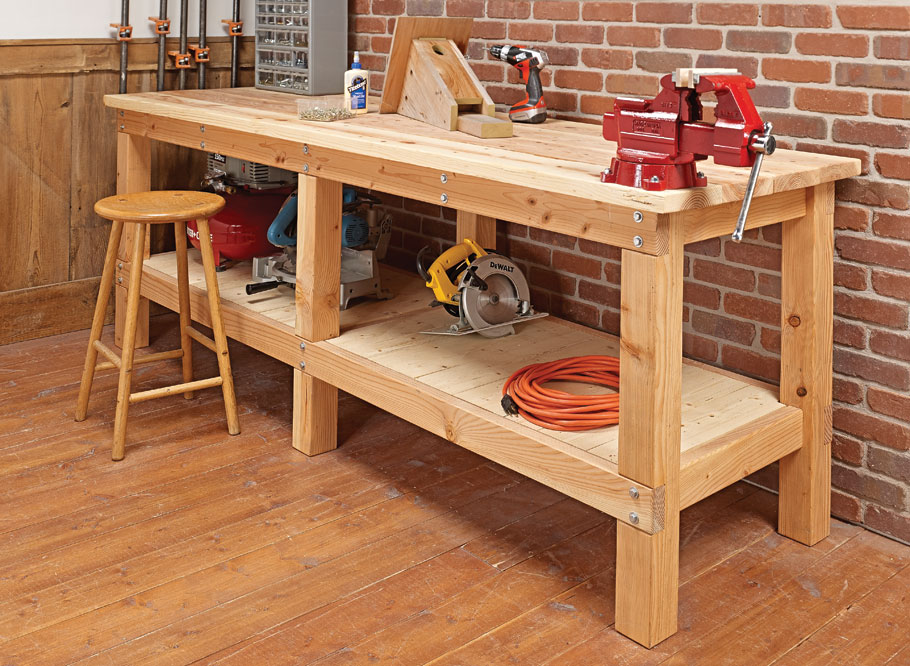
    Heavy-duty plank workbench www.woodsmithplans.com

    Introduction: Brighten Your Workspace with a DIY Lighted Workbench! Are you tired of working in a dimly lit space? A well-lit workbench is essential for precision work, safety, and overall productivity. This post will guide you through building a sturdy and functional workbench with integrated lighting, providing you with a bright and efficient workspace. Let's get started!
    Materials and Tools You'll Need:
  • Lumber for the workbench frame and top (2x4s, plywood, etc.) amount varies depending on desired size
  • Screws (various sizes for wood)
  • Wood glue
  • Sandpaper (various grits)
  • Polyurethane or other wood finish
  • LED strip lights or shop lights
  • Mounting hardware for lights (clips, screws, etc.)
  • Power drill
  • Circular saw or hand saw
  • Measuring tape
  • Square
  • Clamps
  • Wire stripper/cutter
  • Electrical tape
  • Power cord with switch (if using LED strip lights)
  • Soldering iron and solder (if soldering connections for LED strip lights)
  • Step 1: Planning and Design Before you begin, carefully plan the dimensions of your workbench. Consider the available space in your workshop and the types of projects you'll be working on. Sketch out a design that includes the overall dimensions, the placement of the legs, and the location for the lighting. Decide if you want a simple, open design or one with shelves and drawers. Pay close attention to the lighting placement to ensure optimal illumination.
    Step 2: Building the Workbench Frame Cut the lumber according to your design. Assemble the frame using screws and wood glue. Make sure the frame is square and sturdy. Use clamps to hold the pieces together while the glue dries. Reinforce the corners for added stability. A solid frame is the foundation of a durable workbench.
    Step 3: Creating the Workbench Top Cut the plywood or other material for the workbench top. Attach it to the frame using screws and wood glue. Ensure the top is flush with the frame. Sand the top smooth to remove any splinters or rough edges. Consider adding a second layer of plywood for a thicker, more robust work surface.
    Step 4: Finishing the Workbench Sand the entire workbench to prepare it for finishing. Apply several coats of polyurethane or other wood finish to protect the wood from moisture and wear. Allow each coat to dry completely before applying the next. A good finish will prolong the life of your workbench.
    Step 5: Installing the Lighting Mount the LED strip lights or shop lights underneath the top of the workbench, positioning them to provide even illumination across the work surface. Use mounting clips or screws to secure the lights. If using LED strip lights, you may need to solder connections and attach a power cord with a switch. Be sure to insulate all connections with electrical tape. Ensure the lights are securely mounted and won't interfere with your work.
    Step 6: Wiring the Lights If you are using LED strip lights that require soldering, carefully solder the wires to connect the strips together and to the power cord. Cover all connections with electrical tape to prevent shorts. Make sure the power cord is properly grounded or use a GFCI outlet for added safety. If using shop lights, simply plug them into a power outlet.
    Step 7: Testing and Adjustments Once the lights are installed and wired, test them to ensure they are working properly. Adjust the position of the lights as needed to achieve the desired level of illumination. Check all connections and wiring to make sure everything is secure.
    Conclusion: Enjoy Your Bright New Workspace! Congratulations! You've successfully built a lighted workbench. Enjoy your bright, efficient workspace and get ready to tackle your next project with ease. This DIY project not only enhances your workspace but also provides a sense of accomplishment. Happy building!

    Heavy-duty Plank Workbench

    Heavy-duty plank workbench www.woodsmithplans.com

    Mysql :: Mysql Workbench

    Mysql :: mysql workbench www.mysql.com

    14 Super-simple Workbenches You Can Build — The Family Handyman

    14 super-simple workbenches you can build — the family handyman www.familyhandyman.com
    Read More..